book round-ups, non-fiction

New Year, New You

A Friday bonus post for you.  Back in the autumn I started thinking about what I might write for New Year this year and realised that I hate New Year’s Resolutions posts because they never feel natural and they add an extra level of guilt and obligation to my reading that I just don’t need. So instead of a resolutions post, but still in the spirit of new beginnings, I thought I’d write about some self-help/self-improvement books that I have read.  Which meant I had to read some. And so I embarked on some reading.

This is not a genre that I read a lot – I have a low tolerance for inspirational stuff, but I try and keep an open mind. And trying to grow and improve yourself is good, and so in the interests of you, dear Reader, I did it.  Here is what I discovered: I am really not a good candidate for self help books.  They make me really quite angry quite easily.  And it seems that as a person in a relationship but without children, a lot of them really don’t apply to me.  But here were are, I’ve done the reading so you don’t have to. Lets start with the bad…

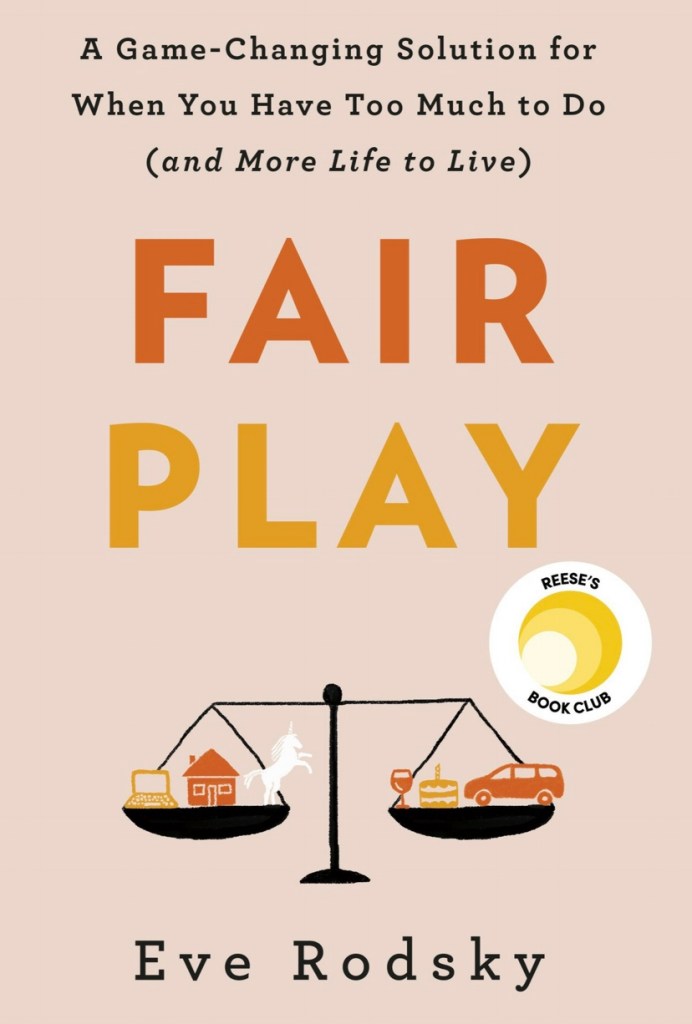
Most Unintentionally Depressing: Fair Play by Eve Rodsky

Cover of Fair Play

My main takeaway from this was that finding a decent man in America must be a garbage fire. This book claims to be “a revolutionary, real-world solution to the problem of unpaid, invisible work that women have shouldered for too long.” What it actually is is a way to gamify domestic labour that you trick your other half into playing with you. I had high hopes for this because it was a Reese Witherspoon book club pick and her fiction picks have always been interesting, but hooo boy.  It’s definitely true that women have greater expectations placed on them by external and internal forces when it comes to running a household, but this feels like the marriage equivalent of a dating manual that advises you to trick your potential spouse.  And despite what the blurb would have you think, it also only really applies to hetero-normative relationships with kids.  And only then if you’re prepared to treat your partner like a child – which to be honest isn’t the relationship that I aspire to.  I prefer to share my life with someone I can talk to like an adult about problems and, if you believe the author, it seems most men in the US can’t have a sensible conversation about shared workload and need to be tricked and gamed into doing their share.

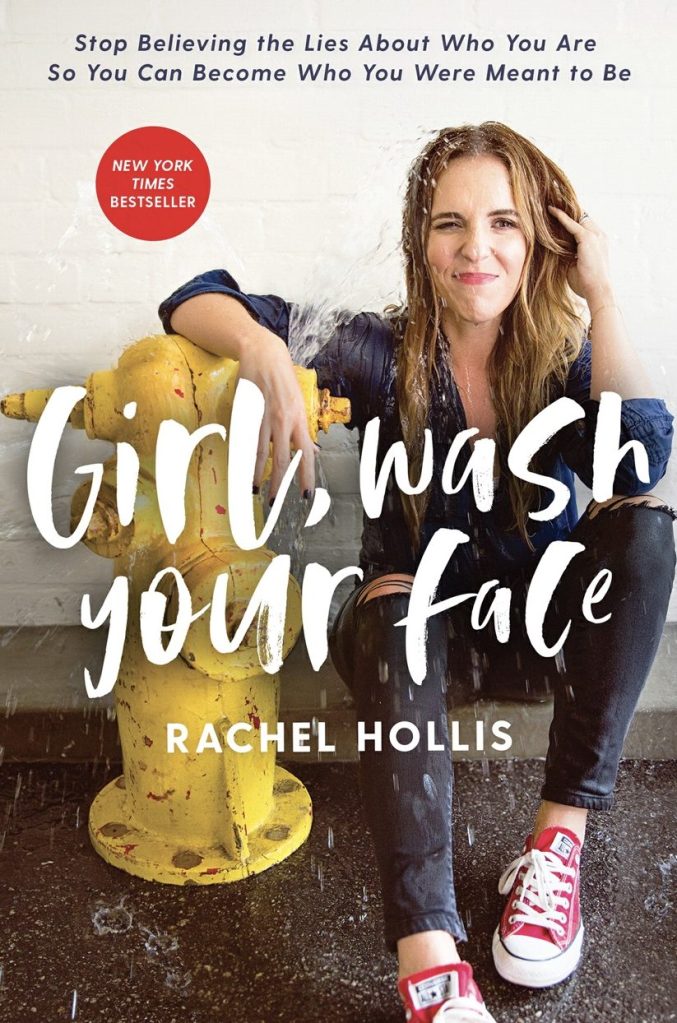
Most Irritating: Girl Wash Your Face by Rachel Hollis

Cover of Girl, Wash Your Face

I’m going to chalk this up to a lack of research on my part.  My library suggested this to me (I can’t remember why) and knowing I was going to write this post I read the blurb and thought it sounded worth a try and got myself on the hold list.  It came in just in time to read for this post more is the pity. Per the Goodreads entry “With wry wit and hard-earned wisdom, popular online personality and founder of TheChicSite.com founder Rachel Hollis helps readers break free from the lies keeping them from the joy-filled and exuberant life they are meant to have.” So far so good – but the bit I didn’t clock properly was at the end: “With unflinching faith and tenacity, Hollis spurs other women to live with passion and hustle and to awaken their slumbering goals.”  The key word there being faith.  There’s a lot of God and knowing that God has plans for your life and your journey in this, and that was not what I was looking for.  There’s also a lot of American therapy speak that always makes my skin itch and big sections of the book are about juggling a job and kids. To be fair though, her relationship does sound a bit better balanced than the ones in Fair Play – so maybe not all American men are awful.

And now for the good…

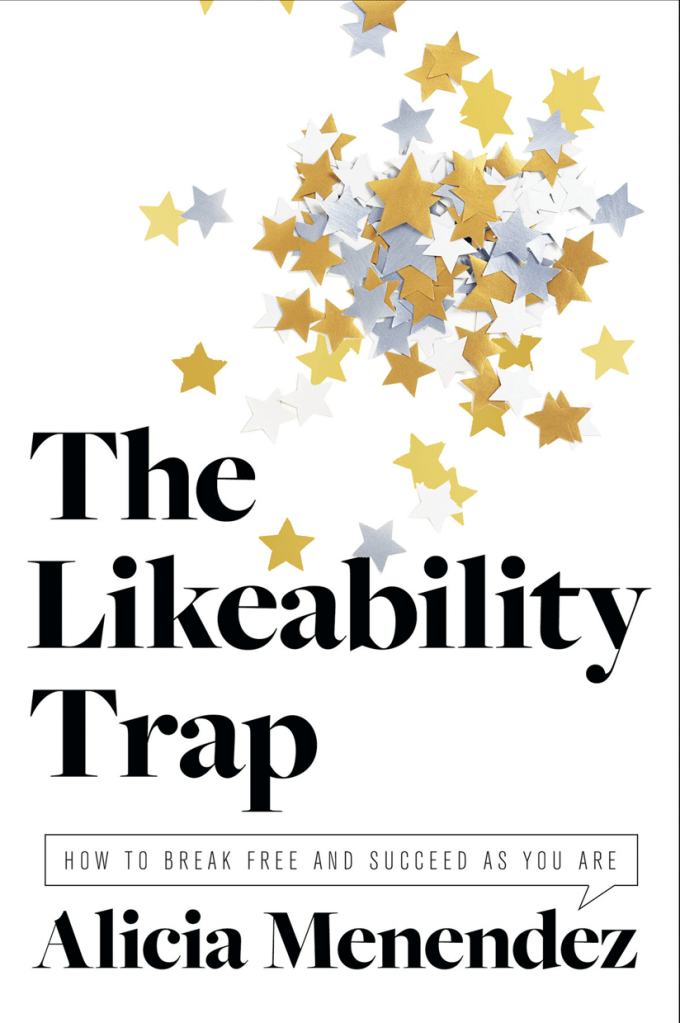
Most Reassuring: The Likeability Trap by Alicia Menendez

Cover of The Likeability Trap

Journalist Alicia Menendez examines the concept of likeability and why women either are perceived as cold but strong or warm but weak and why this is outdated and how to fight against it. I wasn’t sure what I was going to make of this, but it turned out to be useful, reassuring and quite practical. I’m not sure how many things I’ll be able to implement in my life, but it definitely felt like someone with similar experiences and feelings to me was giving me advice.  And as we go into a US Presidential election year, it’s really interesting to take a deep dive into the notion of female likeability so you know what you’re looking for in the commentary on the women in the running for the nomination and the presidency.

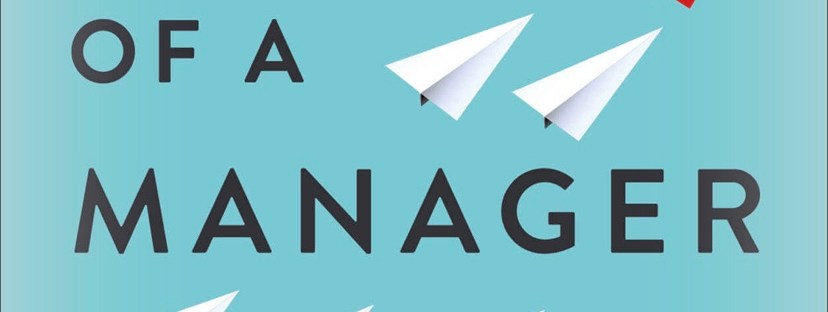
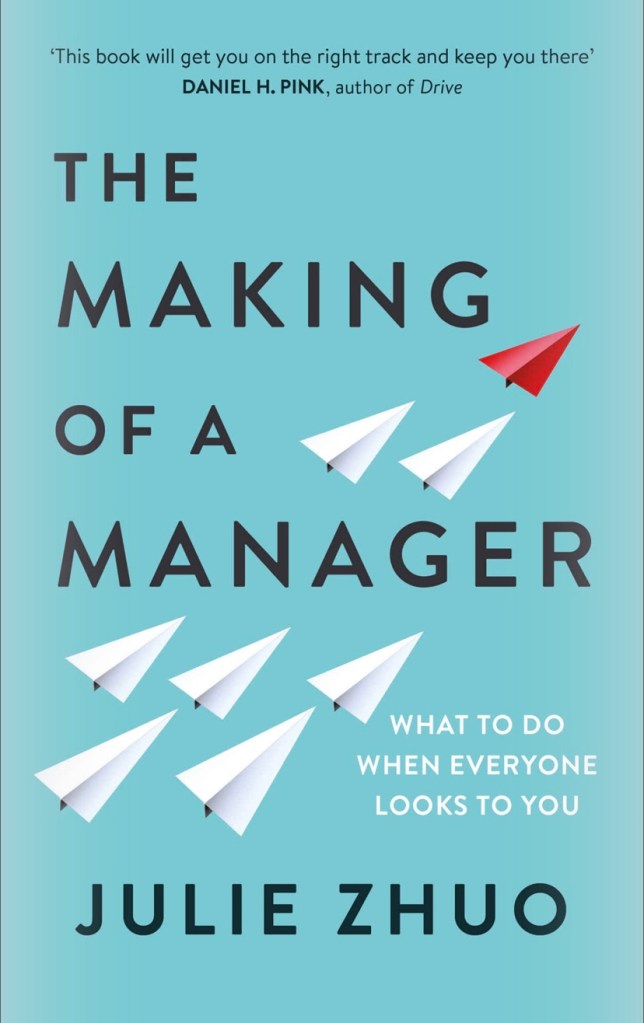
Most practical: The Making of a Manager by Julie Zhuo

Cover of Making of a Manager

Julie Zhuo was an early hire at Facebook and at 25 found herself managing a team of designers.  As the company grew, so did the number of people she was managing.  In The Making of a Manager she discusses the perils and pitfalls of becoming a manager and offers helpful advice for how to avoid them.  I actually found this the most useful of the lot.  Not everything she talks about applies to the job that I do, but enough did that I started making notes.  And although she works in tech and draws her examples from her own experience, it doesn’t feel like you’re being lectured by a Facebook zealot and it felt like she’d worked hard to make her advice applicable to most sorts of teams and workplaces and so I think almost anyone who manages people  could get something out of this.

So there you have it.  I think on balance I got enough from the good books to make up for the bad bits, but next time I do this (if there is a next time!) I’m going to pay better attention to the blurbs and try and decode things a bit better. Also maybe stop reading the stuff I don’t like before it makes me ragey.  Three of these came from the library (hello again themes of my 2019 obsessions) but The Making of a Manager came from NetGalley.

Until Monday – Happy Reading!

Book of the Week, memoirs, reviews

Book of the Week: Year of the Fat Knight

My final BotW of 2019 continues the Year of Non-fiction, except this is one from the to read bookshelf and not from the library. If you’ve missed my look back at my reading obsessions over the year, you can find them here, and also my best books of the year. Coming up tomorrow, instead of the stats, is my look ahead to some new books coming in 2020. The stats will follow later in the week. Because I’m that good to you. Anyway, to the review.

Year of the Fat Knight on a bookshelf

Ever wondered what it takes to be an actor? Or more particularly if you’ve got what it takes to be an actor? You sort of half think it might be an easy life right? Wrong. Over the course of this book you watch (in your mind’s eye at least) Antony Sher agonise over taking a part, preparing for the part and playing the part. And as you read, you realise all the hidden hard work that goes into crafting a performance, an interpretation of words on paper.

The Fat Knight of the title is Falstaff, one of Shakespeare’s iconic creations. But not, as Sher muses, one that The Big Names often play. He muses that there are traditionally two tracks for Shakespearean actors – one leads to King Lear, via Macbeth and Hamlet, and the other to Falstaff (via parts like Bottom) and that never the twain shall meet. But here is Sher – who famously played Richard III as a young man (which Sher also wrote a book about) and who I saw play Macbeth just after the turn of the century* – considering an offer, from his partner (now husband) no less, to play Falstaff. Illustrated with Sher’s own drawings, it’s fascinating and eye opening and incredibly readable. Sher’s husband is Gregory Doran, a director who at the start of the book is just taking over the helm at the RSC so as well as the musings on Falstaff, you get a peek behind the curtain at the RSC and in the world of theatre generally. The two are named as a power couple in the media in a couple of lists during the book, which perplexes Sher but reminds the reader that there are fairly large stakes here professionally. The production – and Sher’s performance – were a success but that never feels anywhere near certain as you read it.

I raced through this and although I didn’t see the productions of Henry IV Sher is writing about, I have seen a couple of the others that are mentioned in it and have seen some of the other actors in other things which made for an added bonus as a theatre nerd.  I don’t know that you need to be a theatre nerd to enjoy this though – I think you just need to be someone who is interested in process and creation.  If you’ve ever wondered how a production of Shakespeare is put together, whether the actors really understand what they’re saying and how they create a character, this would certainly interest to you.  But if you’re a creator of something else, I think this would be worth a look as well – and you can compare your process in your field to this.  I’m sure you’d get something out of it.

I had this on the shelf – I think it came from a work book sale a year or so ago (it came out in , but you should be able to get hold of a copy fairly easily from a bookshop with a theatre section.  Mine is a hardback, but there is also a paperback edition now. If you want to buy online, may I suggest you go direct to Nick Hern Books, the publisher, where the price is within pennies of that of Amazon as I write this and will undoubtedly benefit them more direct.  They’ve got 20% off everything at the moment – so in one of life’s more predictable moments, I ordered myself Sher’s other two books on acting – the aforementioned Year of the King and his latest, Year of the Mad King about King Lear – when I went to check this out.

Happy Reading and Happy New Year!

*Gosh that makes me feel old saying that, but although the turn of the century automatically makes me think of the start of the 20th century, we’re far enough into the 21st now that I probably should get used to it.  I saw Macbeth with Sher and Harriet Walter at the Swan in Stratford sometime around 2000 – I still have the poster somewhere, but I’m not getting it out to check!

Book of the Week, non-fiction, Uncategorized

Book of the Week: Catch and Kill

It may have been a shorter than some reading list again last week, but nevertheless I am back to normal service with the BotW posts today and I’ve got a cracker for this week’s pick. And yes it’s had a lot of hype but it’s really worth it.

Cover of Catch and Kill

I think you’d have to have been under a rock to have missed the Harvey Weinstein story breaking last year. The former movie mogul – the producer behind many Oscar-winning movies – was accused sexual harassment and paying settlements to women in a New York Times article by Jodi Kantor and Megan Twohey and then five days later by multiple women of a pattern of predatory behaviour of sexual assaults (including rape) in a New Yorker article written by Ronan Farrow. Weinstein has always denied wrong doing, saying that via his lawyers that any allegations of non-consensual sex are unequivocally denied and there are cases still making their way through the courts in the US. But Farrow’s investigation of Weinstein originally started as part of his work for NBC News. This is the story behind that original New Yorker article – of how Farrow assembled the witnesses and evidence to stand the story up and of the efforts that he says were being taken to stop the story getting on air.

Two years after those first articles (which saw Kantor, Twohey, Farrow, the NYT and New Yorker share a Pulitzer Prize) we already know most of the allegations about Weinstein and this book has mostly made headlines because of the allegations made about the attempts to suppress the story. But it’s also a pacey and incredibly readable piece of narrative nonfiction. It’s very easy to read, and Farrow is realistic about his role and position in the world – in case you’ve missed it, he’s the son of Mia Farrow and Woody Allen and was a child genius who went to college in his teens and who is estranged from his father. Farrow has a way with words – this reads almost like a thriller novel, and not just because of the presence of secretive Israeli spies. It’s also wryly funny in places – mostly when Farrow’s partner, podcaster and former Obama speechwriter Jon Lovett, appears, something that Lovett has Thoughts About when it comes to the audiobook:

This is one of the best nonfiction books I’ve read this year and would make a great Christmas book gift – even though the subject matter doesn’t sound like it would. I borrowed my copy from the library, but you should be able to get a copy of Catch and Kill from all good bookshops (I’m thinking it’ll be on a table/new books display), as well as on Kindle, Kobo and Audible, although I understand that there have been some problems in some territories with legal threats.  Is it any wonder that I’ve read and rewritten this post several times?!

Happy Reading!

book round-ups, non-fiction, Recommendsday

Recommendsday: Rich People Problems – Non-fiction Edition

Regular readers of the blog may be aware that I’m somewhat fascinated by the interwar period.  I love Golden Age crime novels, like my beloved Peter Wimsey, one of my all-time favourite novels is Laurie Graham’s Gone With the Windsors and I’ve read a lot about of some of the notables of the period  – some of which I’ve written about here before – like Flappers, Bright Young People and Queen Bees.  And after a recent jag of books about the era (and slightly beyond), now seemed like an ideal time for a bit of a round up of the best bits of the non-fiction.  You’ll hear more about the fiction anon…

Empty Mansions by Bill Dedman and Paul Clark Newell JrCover of Empty Mansions

This is another one of those books that I’ve wanted to read after I saw the author interviewed about on the Daily Show before Jon Stewart left and have recently got around to reading (see also: Jim Henson) and it is really something.  Huguette Clark died in hospital in 2011 at the age of 104. The fact that she died in hospital is about the only “normal” thing about her life. She was worth $300m. She’d been in the hospital for 30 years. She hadn’t been photographed – in public at least – for nearly twice that. Pulitzer prize-winning journalist Bill Dedman and one of Huguette’s cousins, Paul Clark Newell Jr, look at her life, her family’s fortune and why she retreated to the confines of one room (and progressively smaller one at that) of a hospital for so long when she had apartments and riches that most people can only dream of.  And it’s one hell of a ride.  I read it as an ebook, which is good because it’s long and dense and has footnotes that you might want to flick back and forth to. As well as being fascinating it leaves you with lots of things to ponder – why did she retreat from public life in the 1930s? Was she exploited by the hospital or her carers? And what do people who have made huge fortunes owe to the people and the towns they made the money off? Well worth a look.

The Riviera Set by Mary S Lovell

Hardback of The Riviera Set

Want to know how the French Riviera become the playground of the rich and famous?  This book will tell you.  Lovell’s book starts by introducing you to Maxine Elliott and showing how she established herself as one of Edwardian society’s notable hostesses before building Chateau de l’Horizon, the modernist villa at the centre of the book.  Between the wars, Maxine’s house hosted all the notables of the time – the Churchills, the Windsors, Noel Coward and more – and after the war it transitioned into a party house for the Hollywood set under the ownership of Aly Khan.  I learned new things about some familiar faces from the interwar years – as well as being introduced to a 50s and 60s jet-set that I wasn’t really very knowledgable about.  This mixes royal history, political history and Hollywood history as it shows how the Riviera evolved through the years – although it stops well before the coast became the exlusive playground of oligarchs and the super rich.  Very readable and just gossipy enough. I liked it so much it’s still on my downstairs shelves, nearly two years after I first read it.

Chanel’s Riviera by Anne de Courcy

hardback copy of Chanels Riviera

Once you’ve read about Maxine, go straight on to Anne de Courcy’s new book and see what happened to the Riviera when the Second World War hit it.  The Lovell – which focuses on the villa and the rich – covers the World War Two in one chapter, mostly about how everyone got out.  Chanel’s Riviera will fill in the gaps – and make sure that you don’t go away with the idea that the Riviera wasn’t really affected by it all.  There is plenty about Chanel herself in here, mostly around her time on the Riviera and her friends there, but there’s a lot more detail about the more normal people down there – and not just the rich.  There are expats who had moved down there for their health and the people who had moved down there to work for them or with them.  This one only just came out – it’ll get a place on my shelves just as soon as I get it back from my mum…

The Unfinished Palazzo by Judith Mackrell

Cover of The Unfinished Palazzo

This is a group biography of sorts of three very unconventional for their time women who all owned the titualar Venetian Palazzo during the twentieth century. I found this while scouring my shelves looking for something similar to The Riviera Set after reading that – and it even has some crossover in the cast list (if you know what I mean!), as Doris Castlerosse is a principle figure in this after being a side character in the Lovell.  Luisa Casati was what probably what we would consider now to be a performance artist – albeit one with a pet cheetah. Doris Castlerosse was a socialite who married money and was close to Winston Churchill. And Peggy Guggenheim was an heiress who renovated the building and used it to showcase her collection of modern art (yes, one of those Guggenheims).  Although this was less satisfying than the Lovell overall,  and would serve you well as an entry point into any of their lives.  I would happily read more about any one of the women in this.

So there you have it.  Four more books to add to the list.  This has been mostly European focused – even Huguette – who was part French and spoke with a French accent!  If you’ve got any recommendations for more stuff about America or the rest of the world in this period, hit me up in the comments. Equally if you’ve got an historical rich people problems novels that you think I should read let me know – because they are also my catnip.

Happy Reading!

American imports, Book of the Week, memoirs, non-fiction, Uncategorized

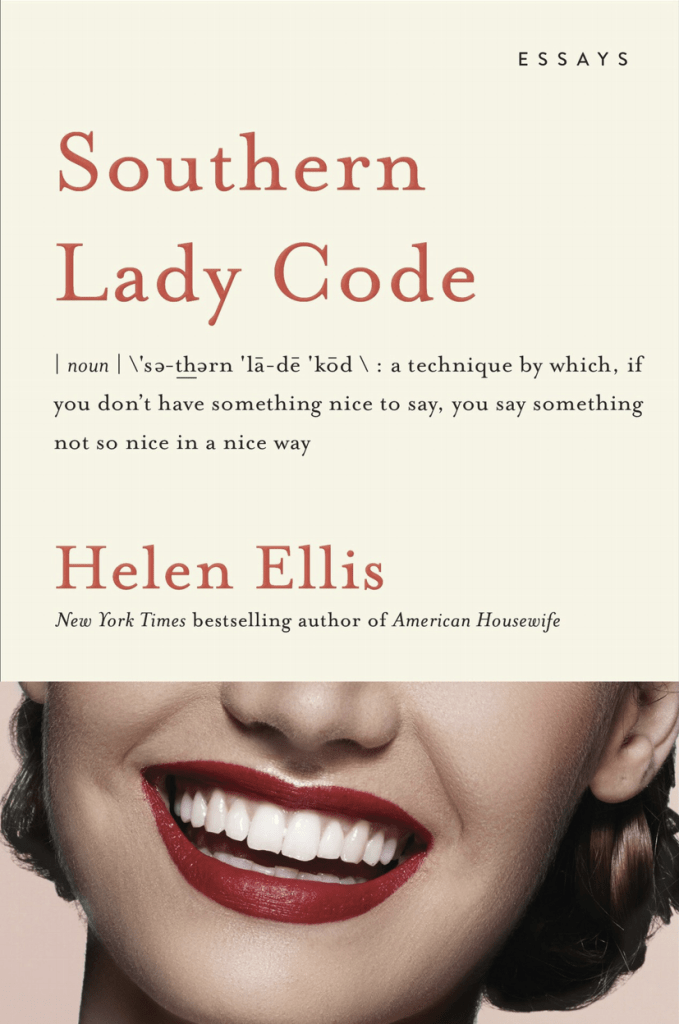
Book of the Week: Southern Lady Code

I had a really lovely week of reading again last week. And there were difficult choices for book of the week this week, but actually I haven’t picked a book of essays in a while and this one was just delicious.

Cover of Southern Lady Code

I wrote about American Housewife back in 2016 and I’ve been waiting for more from her ever since.  American Housewife was a short story collection though, and this a bit different. Across more than twenty essays, Ellis examines what it means to her to be a Southern Lady – and in particular what it’s like to be a Southern Lady living in Manhattan.  Her mantra is “If you don’t have something nice to say, say something not-so-nice in a nice way” and there are a lot of laughs to be had because of this, but there are also ghosts, retro buffets, cleaning as a method of keeping the spark in a marriage and how to shop for a formal event.  It’s funny, clever and true – or at least mostly true. Probably.  But basically Helen Ellis makes me laugh.  I’m not a Southern lady, and I’m a bit younger than Ellis, but there was so much here that amused me and spoke to me.

If you like wry sideways takes on American life, this would make a great addition to your autumn reading list. It was definitely worth waiting two months in the hold queue for it.

As you might guess from that, my copy of Southern Lady Code came from the library, but I’ll be buying myself a copy when it’s out in paperback here. It’s available in hardback, kindle and kobo.

Happy Reading!

Book of the Week, non-fiction

Book of the Week: Jim Henson

So many good books on holiday last week. And if all goes to plan, you’re going to be hearing a about a lot of them. Just as soon as I have time to read a few more books and write the posts. But I’ve got it all planned out in my head. Trust me. Ahem.  Anyway, this week’s pick is Jim Henson: The Biography, Brian Jay Jones’s look at the life of the innovative puppeteer, animator and filmmaker.

Cover of Jim Henson: The Biography

If you don’t know who Jim Henson is, I think you must have been living under a rock, or just not paying attention. Henson was the creator of the Muppets and the puppet characters on Sesame Street. Exactly. I think everyone has grown up with Bert and Ernie, Elmo, Big Bird and of course Kermit and Miss Piggy. This is a big, in-depth look at the man behind the puppets and what drove him.

Going in to reading this, I knew about the Muppets, and I knew he died in the early 90s – there’s a dedication to him at the end of the Muppet Christmas Carol, which is of course one of the all-time great children’s Christmas films – but that was about it. It turns out that he (and his creations) were a TV sensation in his local area before he was out of his teens, he was hugely affected by the early death of his younger brother which lead to a breakneck work ethic, but who also was devoted to being a good dad to his five kids. It’s really a remarkable life.

This book came out in 2013* and Brian Jay Jones had the cooperation of the Henson family, access to all the archives and interviewed all the key players. It was the first full length biography of Henson and Frank Oz (aka Miss Piggy aka Yoda) said that it captured Henson’s genius and his flaws. And I found that very true – it’s not a hagiography. You get a real sense of the amazing mind and vision that Henson had, but also that he must have been a difficult man to live with at times – and definitely a difficult person to manage!

It’s a fascinating read not just because it’s about a great subject but because it’s really well written. Jones has since written biographies of George Lucas and Dr Seuss and even though I’m not hugely interested in either of those men, I enjoyed this so much I would probably still borrow them from the library or buy them in a kindle daily deal just because this was so well researched, thoughtful and readable.

My copy of Jim Henson came from the library but it’s available on Kindle, Kobo and Audible and in paperback and hardback – although mostly via secondhand sellers and coming in from the US.

Happy Reading!

*and I’ve had it on my to-read list since seeing Brian Jay Jones interviewed on the Daily Show soon after it came out, which tells you a lot about how long it’s taken me to get around to getting hold of a copy – thank you library!

Book of the Week, non-fiction

Book of the Week: Too Fat, Too Slutty, Too Loud

As I said in yesterday’s Week in Books, it turns out that the week after the move is also super busy.  And I have so little brain space going on for anything that it’s not funny. Anyway, another non-fiction pick this week.  What can I say, all my library holds for non fiction books are coming in and I’m trying hard to read them as soon as I get them so I don’t run out of time on the loans!  And this is one that I’ve heard a lot about – including some great interviews with the author Anne Helen Peterson.

Too Fat, Too Slutty, Too Loud’s subtitle is The Rise and Reign of Unruly Women and examines a series of women and what it is about them that the media and society finds so difficult to deal with.   Each woman is picked for one specific trait that makes her unrulyy – Serena Williams is too strong, Kim Kardashian is too pregnant, Hillary Clinton too shrill.  And in examining these women it sheds light on to how society views women and challenges assumptions that you may have made yourself.  Anne Helen Peterson is a senior culture writer at Buzzfeed and this is incredibly readable, as well as packed with what was clearly a lot of research.

Even if you don’t like all of the women here – and there are definitely some that I wouldn’t say I’m a fan of – but I found that there was something in every chapter that made me think, or reconsider some of my preconceptions.  And as someone who used to be a radio newsreader, I’ve had a lot of comments about my voice over the years, so there was definitely some stuff in the too shrill chapter that I had a lot of feelings about.  But I think most (every?) woman reading this will recognise something that’s been said about her or too her in this.

I know this review is shorter than the usual – but that’s mostly my brainfade talking.  This is a really, really good and interesting read – I raced through it – and fits in really well with some of the other writing about women and society that I’ve read recently.  Peterson is currently writing a book about burnout – if you haven’t read her essay about how Millennials became the burnout generation, you really should – and I’m very excited to see what she has to say about it.

My copy of Too Fat, Too Slutty, Too Loud came from the library, but you should be able to get hold of it fairly easily – there are Kindle and Kobo editions as well as paperbacks and hardbacks that you can get from places like Book Depository.  I’m not sure how easy it’ll be to get in an actual bookshop – because I still haven’t worked out if these are UK editions or imports.

Happy Reading!

Book of the Week, non-fiction

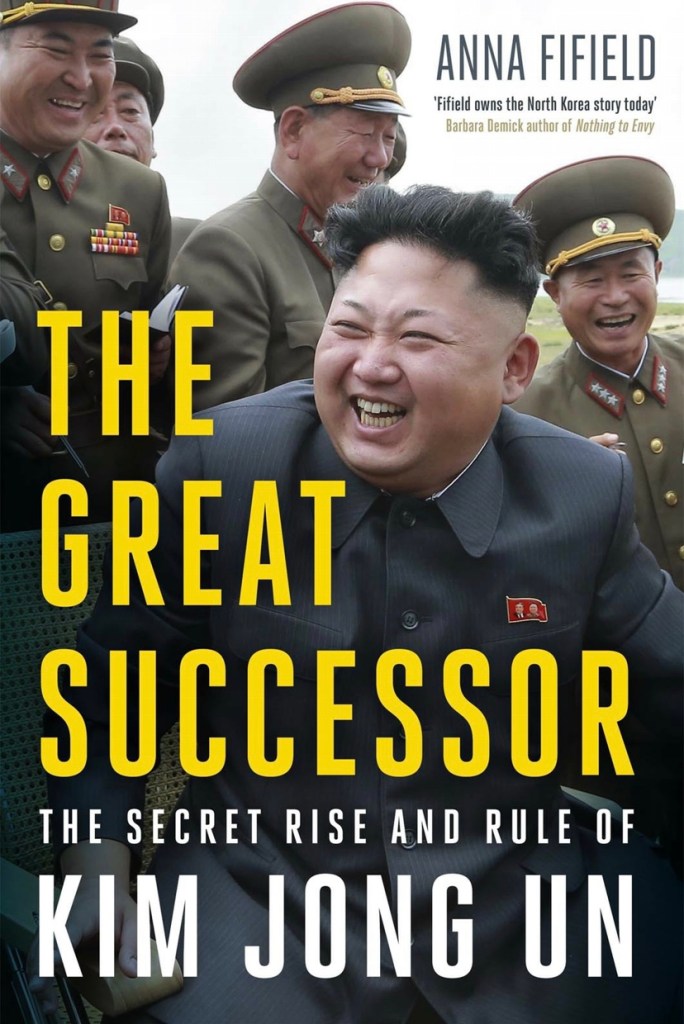
Book of the Week: The Great Successor

So I did manage to do some reading last week in between packing boxes, moving boxes and unpacking boxes, and in between all the comfort reading to try and calm me down, I finished this fascinating non-fiction read.  But as it’s still all go here, please forgive me if this post is a little shorter than usual!

Cover of The Great Successor

Anna Fifield is currently the Beijing bureau chief for the Washington Post, but her previous beat was the Koreas and Japan.  She’s also worked for the Financial Times in Seoul.  The Great Successor is her look at Kim Jong Un – his childhood, his rise to power and what he’s done since he became ruler of North Korea.  She’s knowledgable and her sources are people with real experience of the regime.  But it’s also incredibly readable – if a little bit terrifying.

Along with pretty much every journalist on the planet, I’ve done a lot of watching of North Korea – particularly since Donald Trump came to power.  And this is the best insight I’ve yet found into what might be going through the mind of Kim Jong Un – who is pretty much the same age as me and who might have the power to change the world as we know it if he so chooses.   Try not to panic.  This is definitely worth trying to get your hands on if you’re interested in international affairs – and if you’ve read some of the books looking at the inside of the Trump White House, this would make an interesting addition to your to-read pile.  Equally, this isn’t the first book about the Korean Peninsular that I’ve read – and it would make a great trio with The Birth of South Korean Cool and A Kim Jong Un Production.

British cover of The Greaet Successor

My copy of The Great Successor came from the Library, but I think it should be available fairly easily – it’s certainly out in Kindle and Kobo and the hardback is out now and available from Book Depository – all though you’ll note the difference in subtitles between the US and British editions!

Happy Reading!

Book of the Week, non-fiction

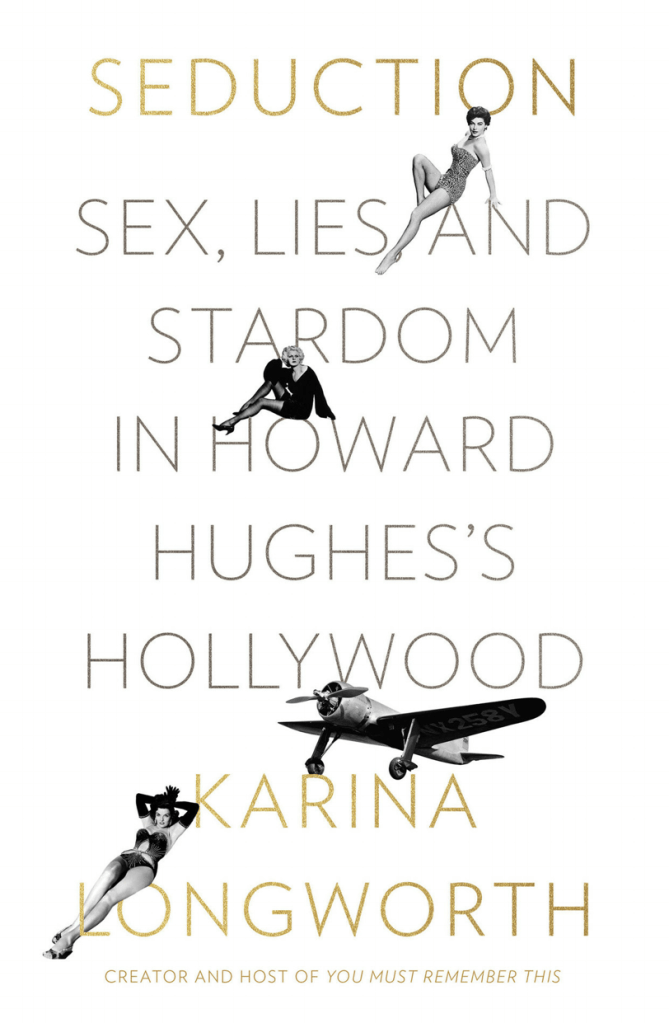
Book of the Week: Seduction

June’s stats coming up tomorrow, but first, this week’s Book of the Week – where we’re still firmly in non-fiction (that’s three BotW posts in a row now!) and in a different part of my historical sweet spot: classic Hollywood.

Cover of Seduction

As the subtitle suggests, this is an examination of the machinations of movie mogul Howard Hughes.  A controversial and massively famous figure in his day, if you’re not into Hollywood history you’ve probably still seen Howard Hughes references in all sorts of stuff – like the episode of The Simpsons where gambling is legalised and Mr Burns turns weird, or Willard Whyte in Diamonds are Forever or the fact that Stan Lee cited him as an inspiration for Tony Stark.  And of course there’s the Martin Scorsese film The Aviator in which he’s played by Leonardo DiCaprio.  But like Hallie Rubenhold in The Five last week, Karina Longworth is coming at this from the perspective of the women in the case – and there were a lot of them – she examines what Hughes’s obsessions with sex, power and publicity meant for the women in his orbit and how it affected them. Hint: he was a real piece of work, even more than you might already be thinking.

This was where the majority of my commute reading time went last week (five of my six train journeys) because although it’s fascinating it’s also super long. I’m a recent* convert to Longworth’s podcast, You Must Remember This, and was a little bit worried that this was going to be covering some of the same ground that that has already covered, but actually that’s not a problem. Some of the stuff has been touched on, but this is much more in depth and with more space to develop an overarching theme and narrative.

Obviously #MeToo has been much in the news over the last few years and if you want an illustration of what powerful men in Hollywood have been getting away with since the silent era then this is it. It would also serve as a great starting off point for a wider journey into Hollywood lore – I know there’s a few more lives I want to explore and a couple of books off the bibliography that I’ll be keeping an eye open for.

My copy of Seduction came from the library, but it’s out now in hardback, Kindle and Kobo as well as audiobook read by Longworth. NB: if you haven’t listened to her podcast, she’s got a very particular way of talking which can take a bit of getting used to and I know doesn’t work for everyone.  I’m not sure how easy it’s going to be to find in bookstores – it’s available to buy from Waterstones’ website, but not on click and collect – ditto Foyles.

Happy Reading!

*as in a couple of series ago.


Book of the Week, non-fiction

Book of the Week: The Five

Ok, so this is *technically* cheating, because I finished it yesterday, but as this is where a lot – if not the majority – of my reading time went last week, so it’s a fair pick really guv.

Cover of The Five

Hallie Rubenhold’s The Five: The Untold Lives of the Women Killed by Jack the Ripper does exactly what it says on the tin – and that is the opposite of what most books about Jack the Ripper do.  Rubenhold has researched what the lives of the canonical five victims were like before they were killed.  She’s not interested in who they were killed by – or the gruesome details of their deaths.  She is interested in their lives and whether prevailing idea about them – ie that they were prostitutes – is accurate.  Thus she puts the victims back at the centre of a narrative that has long dismissed them as incidental to the identity of their killer and at the same time gives an important insight into what life was like for working class women in Victorian London.

As a rule, I’m not interested in books about Jack the Ripper.  I was wracking my brains to think what the last one I read was, and I think it was probably Laurie Graham’s novel The Night in Question three and a half years ago.  I don’t want gruesome details of murders and rampant speculation.  But The Five has caused something of a stir.  Rubenhold’s book has got the Ripperologists’ knickers in a twist – because of her assertion that three of the five women were not sex workers.  The angry push back – and her measured responses – were enough to make me want to read this book for myself.  And it was well worth it.  The women in these pages are three dimensional people with messy complicated lives and they deserve to be at the centre of their own stories, not pushed aside in favour of the speculation about who killed them.

As a journalist, I’ve worked on a lot of coverage of murders and killings and one of the common themes when you’re deciding what how to cover them is how to refer to the victims and their killer.  All too often serial killers names are remembered but not their victims.  The first case that I was in court for after I qualified was the Ipswich murders.  Most people probably know the case as “Suffolk Strangler” or worse “the Ipswich Ripper” and could probably tell you who carried out the killings, but not the name of any of the victims (Paula Clennell, Anneli Alderton, Gemma Adams, Annette Nicholls and Tania Nichol).  Harold Shipman, Peter Sutcliffe,  Fred and Rose West, Myra Hindley – I bet all of those names are familiar to you (if you’re a Brit anyway) and yet I doubt you could name many of their victims.  There are books and books about these cases – and you could fill a library with just books about Jack the Ripper.  After the recent mass shooting in Christchurch, New Zealand’s Prime Minister Jacinda Ardern vowed never to say the gunman’s name.  The Five is doing something similar with the Ripper.  We’ll never know who the killer actually was or how many victims they really killed but there is – as Rubenhold demonstrates – a wealth of information about the lives these women lived before their deaths.

And in learning about their lives, you’ll learn a lot about what it was really like to be poor and a woman in Victorian Britain.  When I was little, the geriatric hospital in Northampton was St Edmunds Hospital.  But a lot of the old people in Northampton would do anything to avoid going in to this George Gilbert Scott-designed building.  Why?  Because it was formerly a workhouse and they had been brought up to fear the shame of going into the workhouse.  And once you’ve read The Five you’ll get it – you’ll understand why sleeping on the streets might be preferable to going into one. St Edmunds closed in the 1990s (I think) and has been derelict ever since.  Work has recently started to renovate it – and to turn it into a retirement village.  We’ll see if the elderly of Northampton are prepared to live there yet.

So why do the Ripperologists hate this book so much?  I have my theories – and I don’t think it’s just because Rubenhold’s research demolishes their pet theories or because it feels seedy to be obsessed with a murderer when you know more about the lives of their victims.  But I’ll leave you to draw your own conclusions.  But if you like social history, and books looking at the lives of women in history, this might be your ideal next read.

My copy of The Five came from the library (after a long wait on hold!), but you should be able to find it pretty much anywhere.  It’s popping up on a lot of summer holiday reading recommendation lists and I’d expect it to be front and centre on the history book table at any (good) bookshop.  Sadly I can’t tell you if it’s got an airport paperback edition – because there was a mix up with our baggage when we went on holiday the other week and instead of browsing the airport bookshop and eating a leisurely breakfast before our flight, I spent all my time running around Luton airport trying to get our suitcase taken off an Amsterdam flight and retagged and put on our flight to Nice – but I hope it does.  It’s also availabe on Kindle and Kobo or from Book Depository.

Happy Reading!