mystery, series

Mystery Series: St Just Mysteries

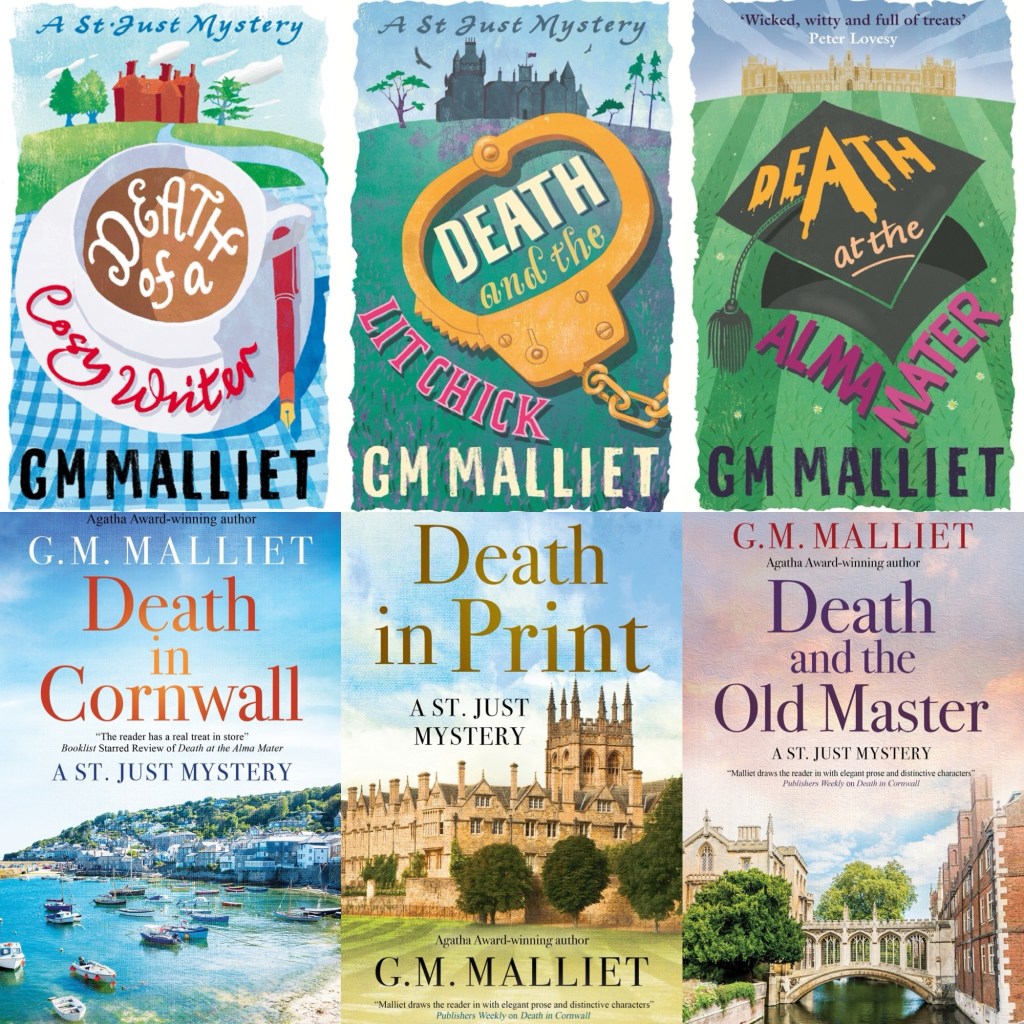
Happy Friday everyone and today for the series post I’m writing about G M Malliet’s St Just books. I’ve already written about her Max Tudor series, most recently back when I did a spy-themed week a couple of months back. But this week I finished the last book in the series I hadn’t read (reading severely out of order!) and so now I can tell you about then.

Our detective is Arthur St Just, a police Detective Chief Inspector and the crimes are Christie or Golden age-esque. Many of them are set around rich families, authors or Oxbridge colleges, or some combination of the above. St Just is from Cornwall but primarily based in Cambridge but Oxford also makes an appearance or two. St Just is a widower but does acquire a fiancée later in the series for some continuity of running characters as well as the fact that is it even a mystery series without a love interest?

It is very much a series of two halves as there was a decade or so gap (and a change of publishers) between book three and book four, and in fact I hadn’t realised that the series had restarted until I saw Death and the Final Cut on NetGalley last autumn. I read that then and now I’ve filled in the gaps with books four to six. And I’m pretty sure I’ve enjoyed these later ones more than I liked the earlier ones. My reviews of those on Goodreads from around a decade or so ago (I read them after having already started on the Max Tudors) are short but very much in the ok to fine sort of area.

Books three to six are in Kindle Unlimited at the moment and I actually think these are a pretty good place to start or at least test out series. They all have interesting characters, but the earlier books are more in the dislikeable mode than the later ones, and three to six particularly have good pacing and interesting mysteries. Seven isn’t quite as good, but it clearly wasn’t enough to put me off going back for the rest when I got a chance or to make a note to keep an eye for any more appearing.

Have a great weekend!

crime, detective, Recommendsday

Recommendsday: First in mystery series 2

Happy Wednesday everyone, and I’m back today with another post of first books in mystery series, to follow on from last year’s dedicated mystery series post and to a lesser extent this post which does at least have a non mystery in it too. As you know I’m always looking for my next bingeable series to add to my lists as other series finish, which can go either way (I’ve read – or tried to read – some real dross over the years) but with all of today’s series I’ve read at least one more in the series already.

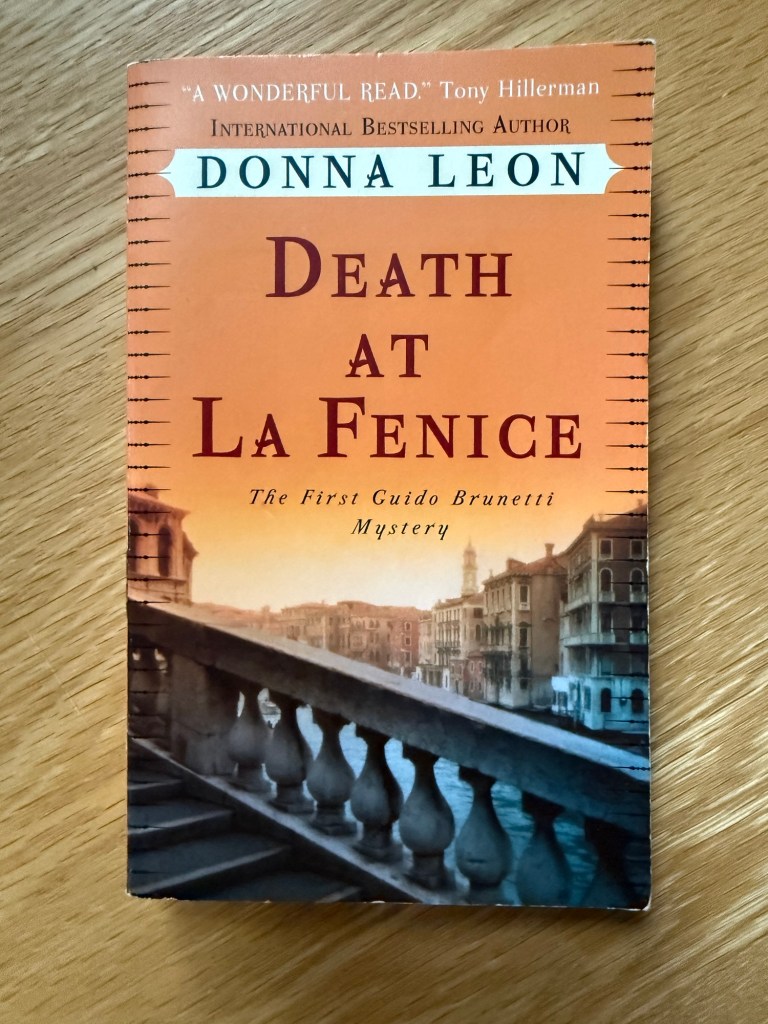
Death at La Fenice by Donna Leon

This is the first in a (now long-running) series about Guido Brunetti, a Commisario of police in Venice. This was actually written in the early 1990s – but it doesn’t feel dated in style or the actual mystery, it’s just the lack of mobile phones and references to lire, marks and a character who may or may not have been an actual Nazi that remind you that this is thirty years old. Anyway, in this first in the series, Brunetti is investigating the death of a renowned conductor who dies in his dressing room of cyanide poisoning in the interval of a performance of an opera that he was conducting. I really loved the portrait of Venice in the book (this was written a few years before I visited Venice as a child and I loved that) and the characters are all really well drawn and developed. It’s perhaps a little bit darker than the sunny orange cover and mass market mystery size would have you believe – but not so grim that I wouldn’t read more of them if they came my way. I picked this up in Judd Books by the way, which is a total example of what I meant in that post about discovering something completely new to you.

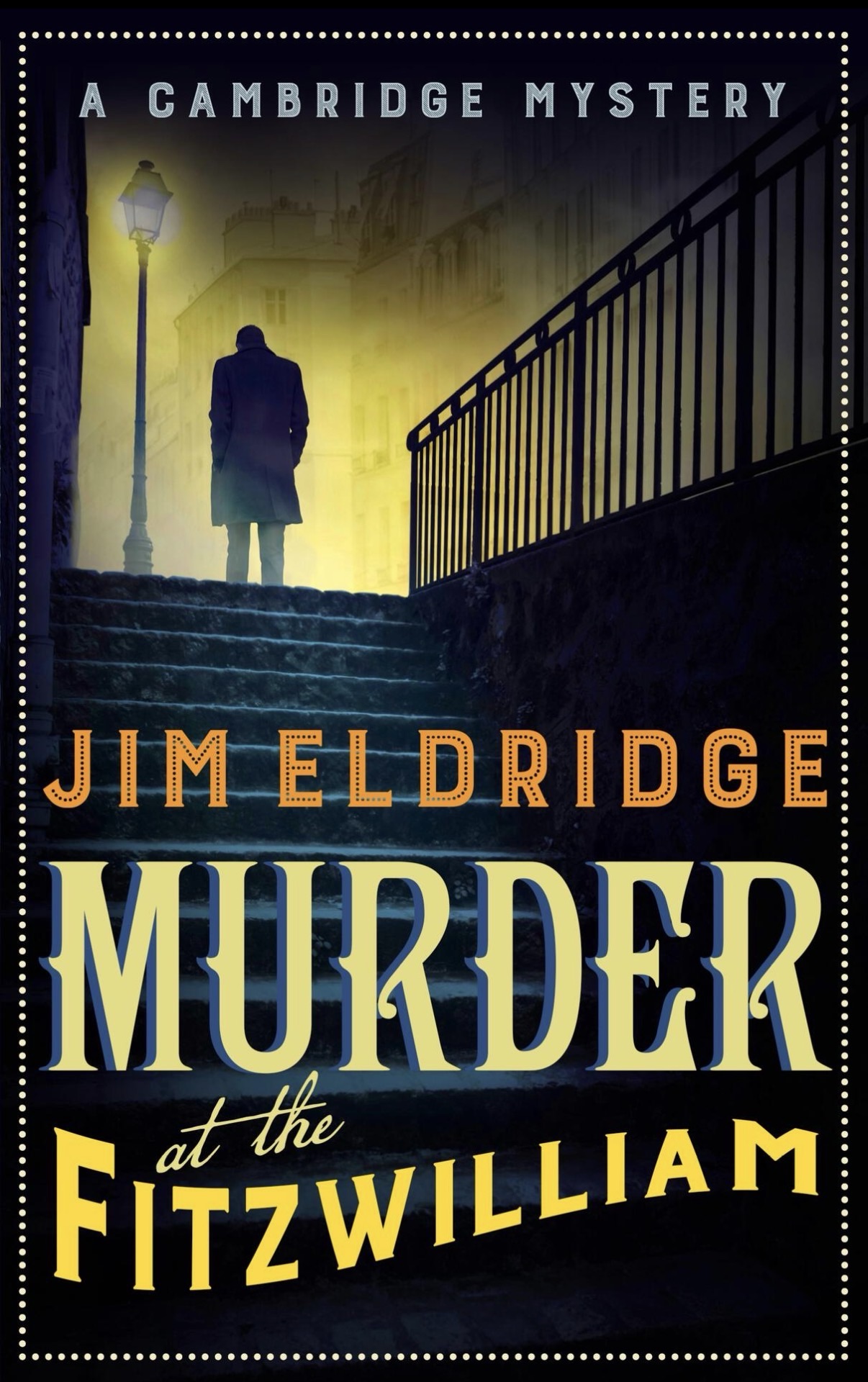
Murder at the Fitzwilliam by Jim Eldridge

Screenshot

This is the first in a mystery series set in the 1890s, where our detective is former Detective Inspector Daniel Wilson, who helped investigate the Jack the Ripper murders when he was a police officer. Now retired, he’s working as a private enquiry agent and is called in to investigate after a body is found in the Egyptian collection at the Fitzwilliam Museum in Cambridge. As well as a hostile police officer, he also has to content with Abigail Fenton, an archaeologist who cataloguing the museum’s collection and found the body. This is a pretty easy read, there are a few twists to the mystery as the body count rises although I had the culprit worked out relatively early on. I would read more of these if they were in Kindle Unlimited – but at the moment only this one is.

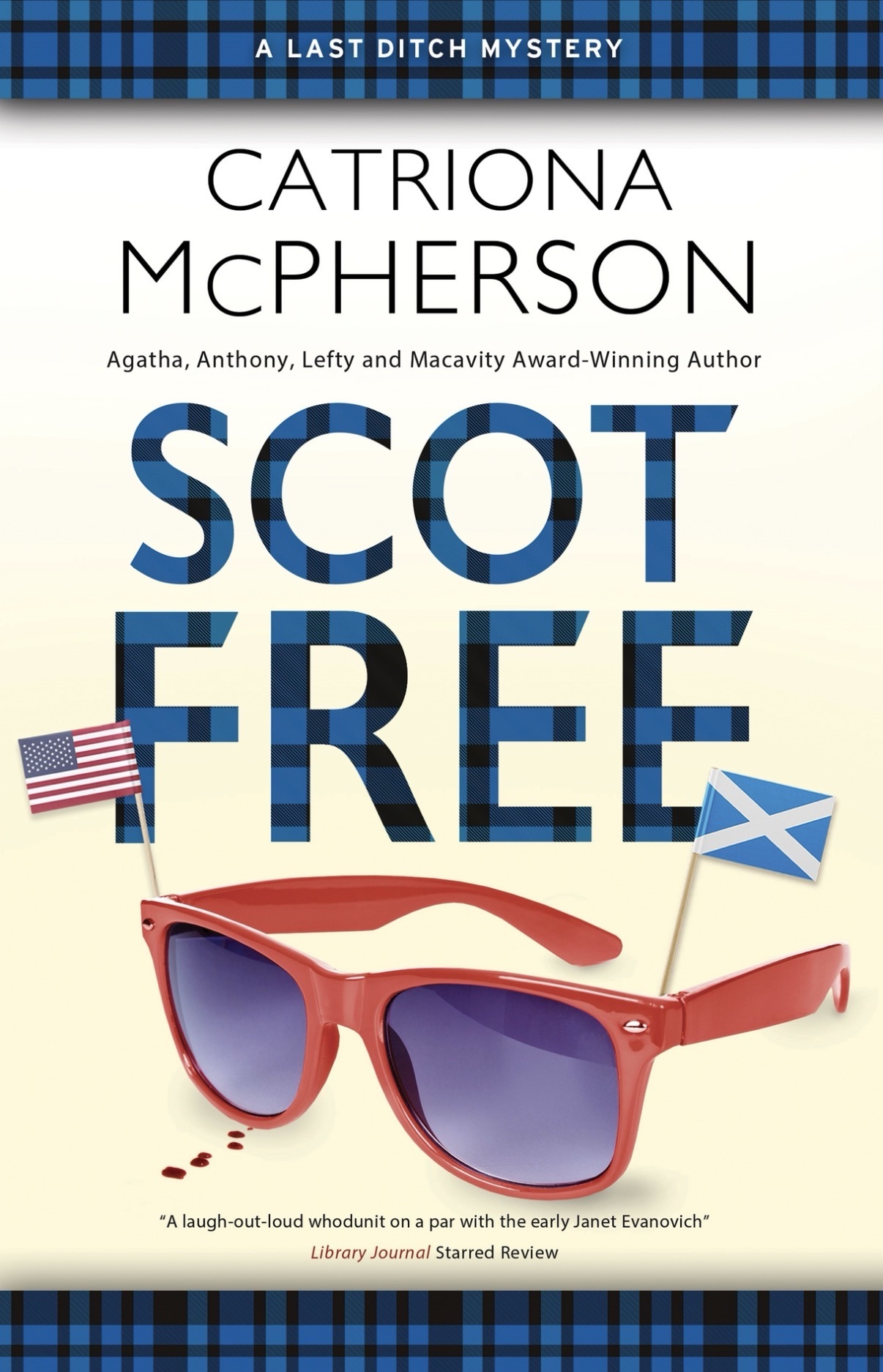
Scot Free by Catriona McPherson

Cover of Scot Free

This is the first in a contemporary, American-set murder mystery series from Catriona McPherson, of Dandy Gilver fame. Our heroine is Lexy Campbell, a fish out of water transplant from Scotland to California. She made the move because she’d fallen in love but now, mere months later, she’s divorced and heading back home, just as soon as she clears one of her counselling clients of murdering her husband. This has a lighter and more humorous tone than her historical series – I think it’s aiming for Steph Plum sort of vibes. I’m not sure Lexy is a great counsellor, as she seems pretty clueless about her own personal life but it was fun enough that I’ve read the second one since reading this. How many more I read may depend on whether they turn up in Kindle Unlimited though!

Happy Humpday!

Children's books, children's books, series

Girl’s Own Series: Dimsie

Happy Friday everyone. If all goes to plan I should be on my way to Book Con at the moment, so in honour of a long weekend of bookish delights focused on literature for school girls in the twentieth century I’ve got a Girl’s Own boarding school series for you this week.

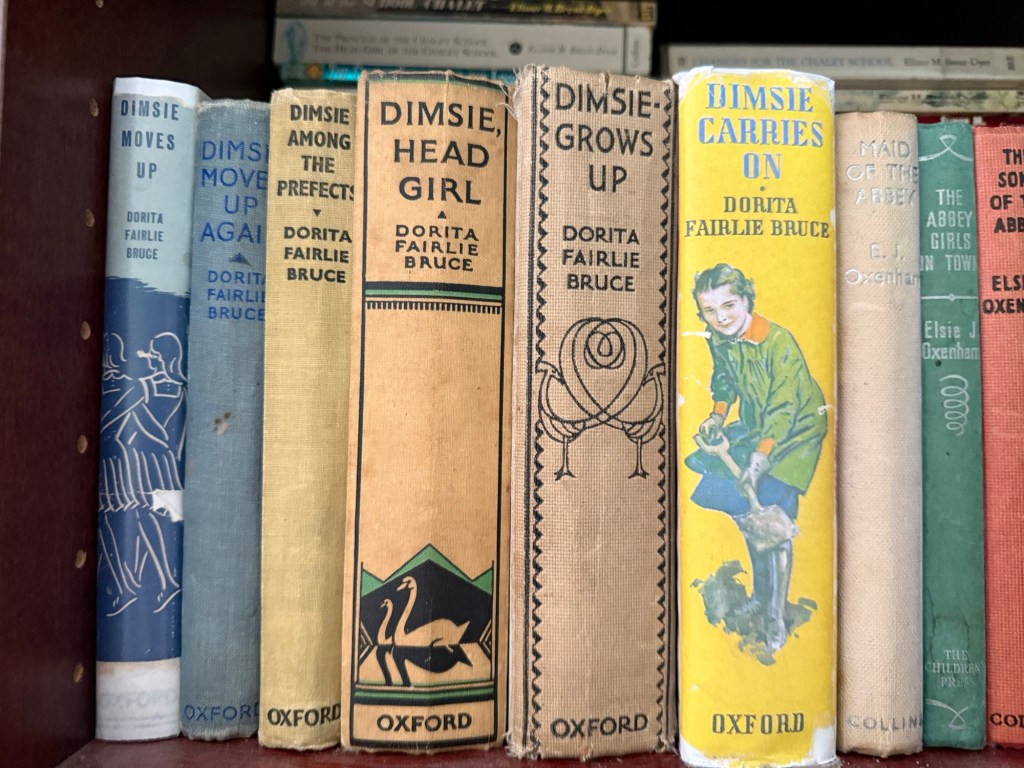
Dimsie is Daphne Isobel Maitland and she is the heroine of nine stories – seven set at her school, The Jane Willard Foundation, and two at her family home. As you can see from the photo I’ve read six of the and the missing ones are on my purchase list for conference this weekend. The name Dimsie comes from her initials D I M in case you hadn’t realised and the books follow her from her first year at the school all the way through to her final year as Head Girl. There were originally seven books in the series, but the final two were written in response to reader requests and the final one is actual set during World War Two when Dimsie is married. They were published across a 20 year period starting in 1921, and as was often the case with school series in this era there were also short stories published in various annuals.

Dorita Fairlie Bruce is one of the names when it comes to Girl’s Own boarding school books for girls along with Angela Brazil, Elinor M Brent Dyer (Chalet School), Elsie Oxenham (the Abbey books) and depending on your point of view Enid Blyton. The Chalet School will always be my favourite (and in writing this I’ve astonishingly realised that I’ve never written a proper series post about them so I must rectify that at some point) because those are the ones that were still in print when I was little and so were the ones I could get hold of from the library or buy for myself (see also Drina and Sadlers Wells) but DFB is my favourite of the ohers, all of which I first read as an adult, which is obviously a different experience to when you’re seven or eight and you first come across the idea of a boarding school.

I wrote about Dimsie, Head Girl back when I first read that and it’s fair to say that Dimsie is, like many other a boarding school heroine, a girl that somehow manages to get away with things that others wouldn’t for: Reasons. Dimsie is able to talk to prefects on their level when she’s a junior and have conversations with teachers (and the head!) that others wouldn’t be able to get away with. And yet you still like her. She’s a good friend, she’s not annoyingly smart or talented, and she cares about people. The thing you will have heard of from Dimsie (if you have heard of anything that is) is the Anti-Soppists League – which is Dimsie and her friends in league to not to go soppy over senior pupils or teachers or anyone. And the books follow the usual rules of boarding school – inter pupil drama, trouble with the juniors, trouble with a pupil who isn’t quite undertanding the rules of the school or is out for herself not the group, sports rivalries and illnesses, with the odd exceptional event thrown in – which are where they can be a bit bonkers. The Chalet School has handy mountains and lakes (and Nazis) to provide opportunities for drama, but being set in Britain, DFB has had to come up with her own ideas – which include stolen old masters and secret passages.

As ever there are some old fashioned stereotypes and language that isn’t acceptable today in here which means that I won’t be lending them to the young readers in my life, but they’re also unintentionally hilarious at times and I find them really really readable. This is another day when its not so much a suggestion to read if you’re not already interested in this sort of book, but if you are you really should try one. They’re miles better (to my mind) than Elsie Oxenham! Fingers crossed that I can lay my hands on the missing ones in the book sale.

Have a great weekend everyone!

Book of the Week, crime, Forgotten books

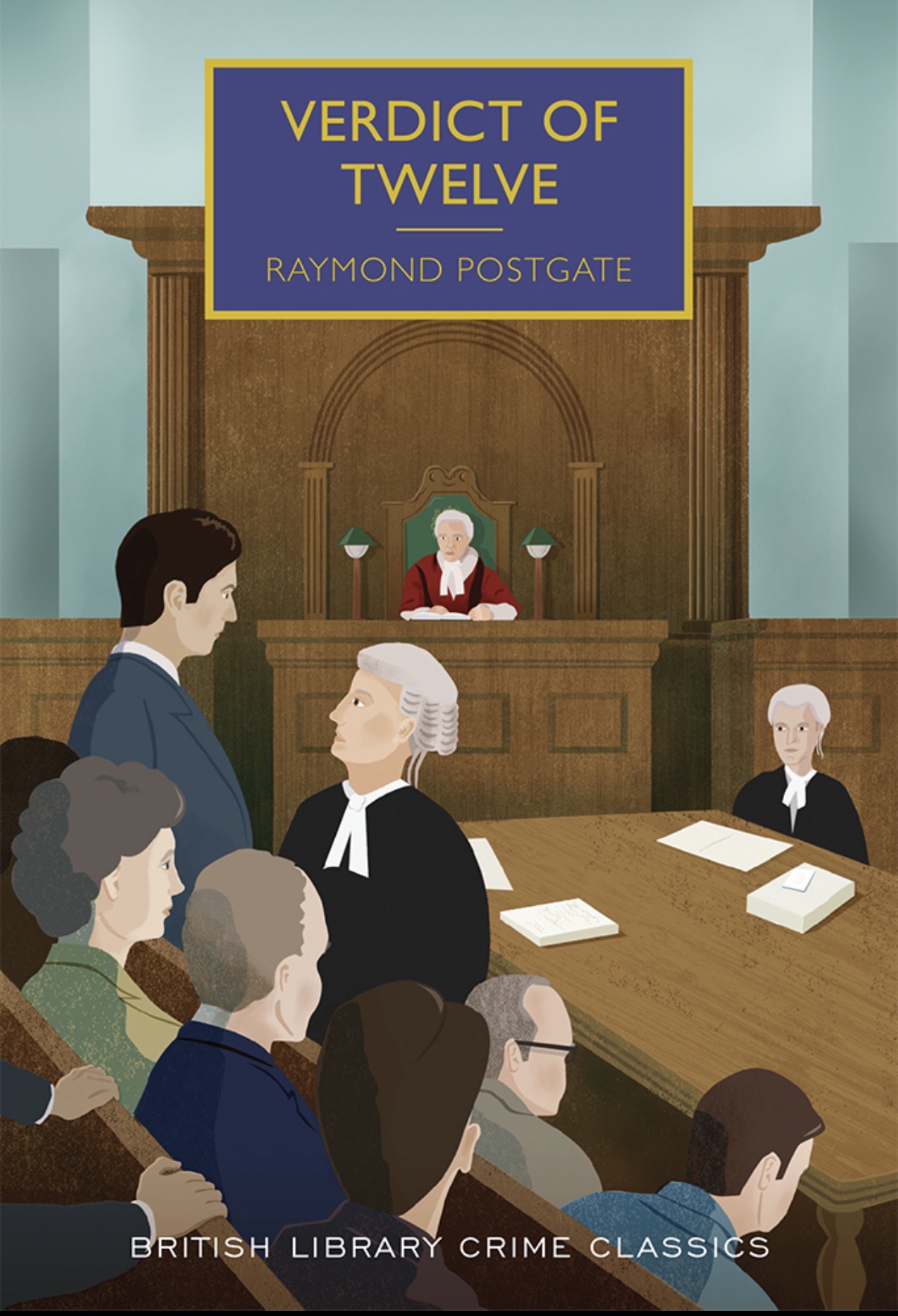
Book of the Week: The Verdict of Twelve

Happy Tuesday everyone, it’s due to be sweltering again today and it’s also the France v Spain semi final so I suspect nota lot of reading is going to be occurring. But I do have something from last week’s heat affected list to talk about.

Screenshot

I’ve struggled with how to describe the plot of this because the blurb really doesn’t give anything away. So here is what the blurb says:

A woman is on trial for her life, accused of murder. The twelve members of the jury each carry their own secret burden of guilt and prejudice which could affect the outcome. In this extraordinary crime novel, we follow the trial through the eyes of the jurors as they hear the evidence and try to reach a unanimous verdict. Will they find the defendant guilty, or not guilty? And will the jurors’ decision be the correct one? Since its first publication in 1940, Verdict of Twelve has been widely hailed as a classic of British crime writing.

So as you can tell this is an unusual type of murder mystery. Postgate introduces you to each juror – their backgrounds and the things that might influence their opinions as they are sworn in, and then jumps to the events leading up to the crime (without telling you who did it) and then the trial itself.

This was originally published in 1940 and as the blurb says murder was still a capital crime, so the defendant’s life is in the hands of the jury. It’s really well written to give the reader plenty to think about as you’re reading the book and I found the ending really clever too. If I had one problem with it, it’s that in the Kindle edition I read, there seemed to be an element missing from the graphics in the deliberation section, but I need to go and look at a paperback copy to see if that’s an issue in those, or maybe even a deliberate thing. This actually came out nearly ten years ago, when the BLCC range was a lot smaller, and is one of the genuinely forgotten but deserving reprints.

It’s in Kindle Unlimited at the moment, which means that the only version you can get through Kobo is the audiobook one, and of course it’s also in paperback and is one I’ve seen fairly regularly in stores. You can buy it directly from the British Library in their store at the library on the online one where it’s only £8.99 and is also in their 3 for 2 deal. Bargain.

Happy Reading!

Book of the Week, first in series, Thriller

Book of the Week: Call for the Dead

Happy Tuesday everyone, and I’m kicking off a slightly espionage themed week here on the blog with a thriller that’s an absolute classic of the genre.

Cover of Call for the Dead

A Call for the Dead is the first novel that features John le Carré’s most famous creation. When a civil servant kills himself after being the subject of a routine security check, George Smiley finds himself in the firing line as the person who carried out said security check. In order to dodge the finger of blame from his boss, Maston, Smiley begins his own investigation into the death. He’s warned off the case – but that evening receives a letter from the dead man. Do the East Germans know more about this than Circus think? Smiley is determined to find out.

Le Carré is said to have created Smiley as an antidote to James Bond – rather than glamorous women and high octane chases, Smiley’s Circus is a world of anonymous men doing paperwork and following routine. But although that might sound boring, what is on the page is compulsively page turning as you try to work out what on earth is going on. I read this and went straight on to the next book in the series, A Murder of Quality, which is completely different in terms of what Smiley is investigating, but just as good. And fortunately for me I had the third book waiting for me when I finished the second. Because of course this is one of those situations where I have been buying up the books when they appear in Kindle sales (because I enjoyed Tinker, Tailor, Soldier, Spy so much) and then not getting around to reading them. But clearly this is the time to remedy that – it’s a classic for a reason. And it’s not a particularly long classic either – it’s under 200 pages but so much happens in it and it packs such a punch that it feels like a much longer book. So good.

You don’t need me to tell you how easy this is to get hold of – it was published in 1961 and it has been in print ever since in various iterations, including as a Penguin Classic. It’s available in every format, including as an audiobook written by the peerless Simon Russell Beale.

Happy Reading!

Fantasy, series

Fantasy Series: Legends and Lattes

Happy Friday everyone. If you’re in the UK you may well be watching election results today – as people who’ve been around here for a while will know, I really love election results days so I will be spending my day watching the results come in. But for those of you who aren’t elections nerds, here’s a series post for you.

The Legends and Lattes series are low stakes cozy fantasy novels. Each novel does (sort of) standalone but has a connected set of characters. The first book that was published was Legends and Lattes which was a Book of the Week when I read it a little over a year ago, and that was followed by a prequel Bookshops and Bonedust and then a third book Brigands and Breadknives which was published in the autumn last year.

I think the peril levels are highest in the third book, but there’s still pretty low stakes – and if you’ve read anything about the series you’re pretty sure that it’s going to work out ok in the end because that’ what the promise is. There’s some chaos, there are some weird and wonderful creatures – including but not limited to a creature who lives in a bag and a talking sword – and there are lots of laughs and more than a few feels. They are very easy books to sit down and gobble up in a sitting. And for all that they are cozy and you might think you should read them in autumn, they’re also delightful when read on a sun lounger as I did with book three!

Now if you want to read these, it’s perfectly find to read them in publication order (that’s what I did after all) and the good news is that Legends and Lattes is in Kindle Unlimited at the moment if you’re a member there. And they’re pretty easy to get hold of – I’ve seen them in all sorts of bookstores.

Have a good weekend everyone

Book of the Week, first in series, mystery

Book of the Week: How to Solve Your Own Murder

Normal service has been resumed here – I’m back at work after the holiday and once again I’m picking a murder mystery book for my BotW. This was actually a book I finished after we got back from Greece rather than a holiday read – but there are three of my sunlounger books coming up tomorrow.

Cover of How to Solve Your Own Murder

It’s 1965 and Frances is visiting a fair with her friends when a fortune teller predicts that Frances will be murdered. That prediction – and figuring out who might want to murder her – becomes the driving obsession of Frances’s life. In the present day, Annie Adams has been summoned to meet her reclusive Aunt Frances at her country estate. But when she arrives, she finds Frances dead. Annie sets out to solve the murder – but can Annie keep herself safe while trying to work out who made the fortune teller’s prediction come true.

This is told in a split narrative between Annie’s present day and diary entries from Frances in the 1960s. Annie is an interesting heroine and knows next to nothing about Frances’s life for reasons that become clear as the book goes on and so also has no idea who the various personalities are that she’s meeting and who to trust. And because she doesn’t know Frances either it means that she doesn’t know how reliable a narrator Frances is. This makes for a deliciously discombobulating time for Annie as she races against time to solve the puzzle of her aunt’s death.

This is the first of what is now three books and the third, How to Cheat Your Own Death, is actually out today which sort of makes me topical for once even if reading this has taken me a year from buying this one to actually getting around to reading it. Which given my track record actually isn’t that bad in the grand scheme of things.

This should be really easy to get hold of – I’ve seen it (and the second in the series) in all the bookshops and it’s on Kindle and Kobo as well.

Happy Reading!

Book of the Week, detective, historical

Book of the Week: D is for Death

Happy Tuesday everyone. And I’m back with a murder mystery this week after taking a break for romance with While You Were Seething last week.

It’s 1935 and Dora is on the run from a fiancée she didn’t want in the first place. When she arrives in London she finds he has followed her there and hides in the London Library together away from him. Except inside the library she finds a dead body. Now she’s inside her first murder investigation and she is not the girl to walk away. She’s a book lover who particularly likes detective fiction but who is also the sort of person who notices everything and she’s sure she can help Detective Inspector Fox. He however is not so convinced.

Harriet F Townson is actually Harriet Evans writing under a different name to differentiate this from her usual genre. Because this is a historical mystery romp. It really is a romp. Dora is a delightfully quirky heroine and the plot just rattles along as she makes new friends in London, meets old friends and tries to solve the crime. There are references galore to the golden age of crime – including one of the characters living in Mecklenberg Square – home of Dorothy L Sayers in real life (more on that tomorrow) and her creation Harriet Vane (in the Gaudy Night).

I raced through this in one evening basically and I really hope there is a sequel because Dora is a lot of fun and there are enough plot threads left hanging to suggest it’s a possibility. It was also nominated for a Crime Writers Association Award so that’s got to help to right? This has got comps in the blurb with the aforementioned Sayers as well as Margery Allingham, Enola Holmes (only watched the Netflix films) and I Capture the Castle which sounds a bit bonkers on the eclectic front but I sort of endorse that! If you (like me!) like series like Veronica Speedwell, Daisy Dalrymple or Phryne Fisher, this is definitely worth a look.

I read this on Kindle, but it’s also in Kobo and should be available in paperback too

Happy Reading!

historical, Series I love

Mystery series: Brighton Mysteries

Given that I binged three of this series just last week, today’s series pick may not surprise you. The only downside to having read three of them last week is that I’ve now run out and read another Elly Griffiths series from start to end and there are No More. Hey ho.

The Brighton mysteries start in 1950, when DI Edgar Stephens finds a body of a girl that’s been cut into three – which reminds him of a magic trick invented by a friend of his that he served with during the war. Edgar goes to hunt out Max for his help and finds him still touring the variety circuit of seaside towns around the country. And that’s how the seven book series gets underway – initially with Edgar and Max and mysteries and as you go through the seven books more characters joining them. Max’s involvement becomes a little less central to the mysteries in later books where you see more of Edgar and WPC Emma Holmes at work – but he’s always part of the mysteries because they are all so connected to the theatre and entertainment industries.

The seven books cover more than 16 years, so a lot changes in the characters lives as you follow them through – but also you see the world changing too: from post war austerity through to the swinging sixties and the changes in attitudes that that brought with them. Brighton also changes a lot during that time – with the rise of TV, the death of end of the pier variety and vaudeville and the coming of cheap package holidays. It’s a great time to set a book – and the mysteries are good too. I think they’re pretty good on accuracy too – I spotted one complete howler* in the last book but it’s the first time I remember finding one of those in all seven of the books, so I’ll let it off. Anyway, these are good very readable mysteries that you can get sucked into reading one after another – the way you can with Griffiths’ Ruth Galloway series too.

You should be able to get hold of these fairly easily- they’re on Kindle and Kobo and I’ve been able to buy them in bookshops too.

Have a great weekend!

*a price that would be insane in a pre-decimalisation world – so possibly some confusion about when that happened.

Book of the Week, cozy crime, first in series

Book of the Week: The French Bookshop Murder

I said yesterday that I wasn’t sure what I was going to pick today and it turns out it’s actually a book I finished on Monday. But that’s the way it goes sometimes.

Zoe Pascal has relocated from her life in England to a small village in southern France where she is going to run a bookshop. But when she arrives in Sainte Catherine the locals are strangely hostile and there’s an undercurrent in the village that she just doesn’t understand. Then the body of a tourist is found in the local church – not long after she was due to meet Zoe. Suddenly Zoe finds herself under even more suspicion – from the gendarmes now as well as the locals. So she sets to to try and undercover the killer and the mystery at the heart of the village.

This is a lot of fun, with a really good puzzle as well as the murder mystery. I had a few bits figured out, but not all of it and I really enjoyed the village setting and the cast of characters. I could really picture the historic houses and Provençal countryside. There appears to be a tie in going on with a prior series by Greg Mosse, which I will be tempted to pick up – but there is a sequel to this to read first!

This is in Kindle Unlimited at the moment, but it’s also still available on Kobo and there is a paperback too, although as only one of the London Waterstones‘ has it on click and collect you may have to have a bit of a hunt for it.

Happy Reading!