As you may have gathered from yesterday’s Week in Books post and Saturday’s bonus post, I was on nights last week, which means a steady diet of romance and crime novels through the week. And so it will probably be no surprise that this week’s BotW is a crime novel and, like last week’s pick Southern Fried, it’s from Henery Press who really do do a good line in this sort of novel.
I think the cover has it sorted: pirates, parrots, treasure and a corpse!
Treasure in Paradise is the seventh book in Kathi Daley’s Tj Jenson series. This installment see’s high school teacher Tj and her young half-sisters decamp to the Gull Island to help a family friend with renovations at his holiday resort after the friend is taken ill. But when they arrive at his house, they discover a body in the attic. The corpse turns out to be a local treasure hunter, who had grown obsessed with a local legend that there was pirate treasure hidden nearby. Soon Tj is trying to hunt down the killer herself, after the local deputy rules the death an accident. And it turns out there are lots of secrets hidden on Gull Island as well as a developer sniffing around the resort to boot.
This exactly suited my mood last week. It’s fast-paced and easy to read with a cast of engaging characters. Tj is her siblings’ guardian after their mother died in an accident and there is an extended family which works really well to provide interest and subplots beyond the main mystery. I’d read one book in this series before – the first one – and jumping back in at book seven wasn’t a problem – the characters have moved on in their lives since the first book but no so much that I couldn’t follow. And the holiday (vacation) location works really nicely as well – Tj is away from home, but not out of her comfort zone because she’s visited the island before and because her family owns a resort as well.
I’ll be looking out for more books in the series – new ones and the ones that I’ve missed. You can get Treasure in Paradise in paperback or Kindle from Amazon, or you can go back and start from the beginning with Pumpkins in Paradise. At time of writing the cheapest in the series is Bikinis in Paradise – which I may have just treated myself to for 99p!
A bonus post from me, for you to enjoy this weekend as I recover from my nights. I’m looking for escapist reading this week after a busy news week, so here are some suggestions for you as I try to read myself back into day time living.
Rosie’s Little Cafe on the Riviera by Jennifer Bohnet
I read this on holiday – it’s a sweet romance set in the French Riviera. Rosie’s opening her dream cafe, but a Michelin starred chef is opening up a fancy hotel nearby. She’d be mad, only she didn’t find him so attractive. There’s also two friends – one recently widowed with a daughter and the other newly single – and you follow them all across the course of the first spring and summer season in business. Perfect for a spring weekend, but t may make you want to move abroad though.
Crazy Rich Asians by Kevin Kwan
Immerse yourself in the world of Singpore’s super rich. Rachel Chu has agreed to spend the summer in Singapore with her boyfriend’s family. But what she doesn’t know is that Nick is one of the island’s most eligible bachelors and that she doesn’t measure up to his family’s expectations for a potential wife. There’s outrageous wealth, spoilt IT girls and culture clashes galore – not just Rachel’s ABC (American-born Chinese) background, but also the old money versus new money of Singapore’s old family’s and China’s new superrich. It’s bonkers, it’s addictive and it’s perfect to escape from your normal life.
The Accidental Detective by Michael R N Jones
I read this modern Sherlock Holmes retelling on holiday. Victor Locke is a beer-drinking genius, who’s banned from owning laptops or smart phones after getting caught hacking into something he shouldn’t have done. Dr Jonathan Doyle is his court-appointed psychologist and the two of them race around Middlesbrough (of all places) solving crimes and outwitting shadowy government figures. This is from my perennial favourites Fahrenheit press, so if you’ve read some of my other recommendations from them you’ll have an idea about the sort of tone we’re looking at. Funny and escapist, read it with a drink in your hand like Victor would!
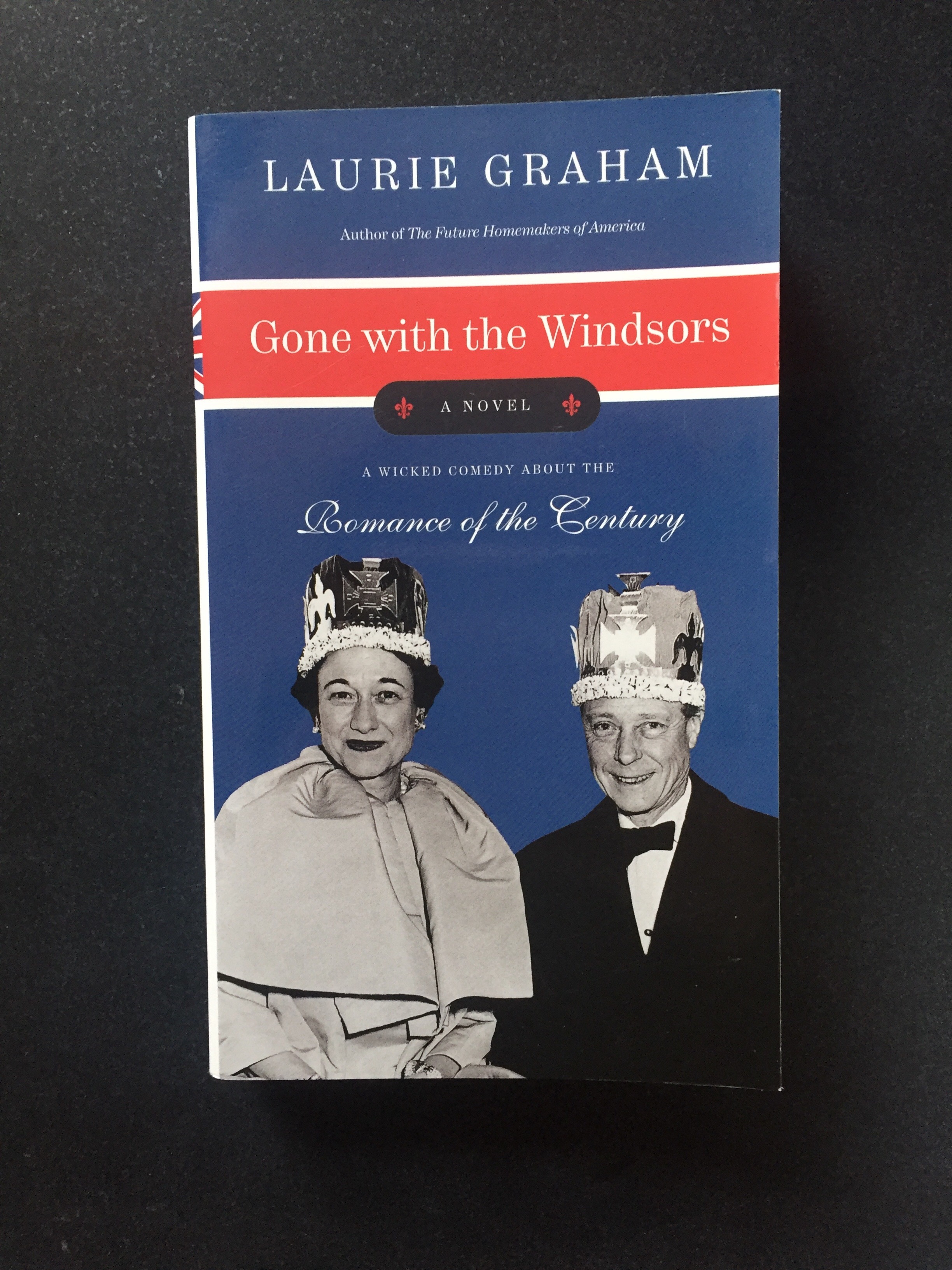
While reading Royal Flush last week, where one of Lady Georgie’s tasks is trying to keep the Prince of Wales away from Wallis Simpson, I couldn’t help but think of Gone with the Windsors – my favourite novel that features Wallis. Then I realised that I’ve mentioned it in passing several times on here* but never actually reviewed. So Recommendsday this week seemed the perfect time to remedy that.
“A wicked comedy about the Romance of the Century” is pretty spot on
Gone with the Windsors is the story of Wallis Simpson’s romance with Edward VIII as seen throught he eyes of her (fictional) best friend, Maybell Brumby. Maybell is a recently widowed Southern Belle who comes to London to visit her sister (married to a Scottish Earl) to one up her social rivals back home just as one of their old school friends is making a stir by stepping out with the Prince of Wales. Soon Maybell is hobnobbing with royalty as Wallis (with the help of Maybell’s money) sets London society ablaze. Maybell and her family are carefully woven into the real story and as someone who’s read a fair bit about the Edward and Mrs Simpson and the 1930s in general, I didn’t spot any howlers.
How could you not love Maybell’s insider view of the Abdication Crisis?
The Wallis of Gone with the Windsors is a ruthless social climber, with an aim in mind, who doesn’t mind stepping on anybody to get there. David is weak and easily led, thinking more of his own pleasure than of his responsibilities. But Maybell is a total joy. I mean you wouldn’t want to be friends with her, but she is a brilliant prism to watch the slow motion car crash that was the Abdication Crisis. She is delightfully dim (witness her dealings with her sister Doopie) and part of the fun is watching her misunderstand what’s going on – or miss the undercurrents. Her sister is firmly on the Royal Family’s side against Wallis, while Maybell is convinced she’s picked the winner, which makes for fraught times on the summer holiday in Scotland.
Maybell finds new ways to keep herself occupied during a summer at her sister’s Scottish estate.
GWTW was my first Laurie Graham book – I spotted it in the window of Waterstones and had to have it – and since reading it she’s been an autobuy for me and I’ve picked up a lot of her back catalogue. I like her straight up novels too, but my favourite are the ones like this where she takes a historical event or person and puts her spin on it. I mentioned the Importance of Being Kennedy in my Inauguration Reading post, and The Grand Duchess of Nowhere was my first review for Novelicious, but A Humble Companion (about a companion to one of George III’s daughters) and The Night in Question (about a music hall comedienne who gets caught up in the Jack the Ripper panic) are also excellent.
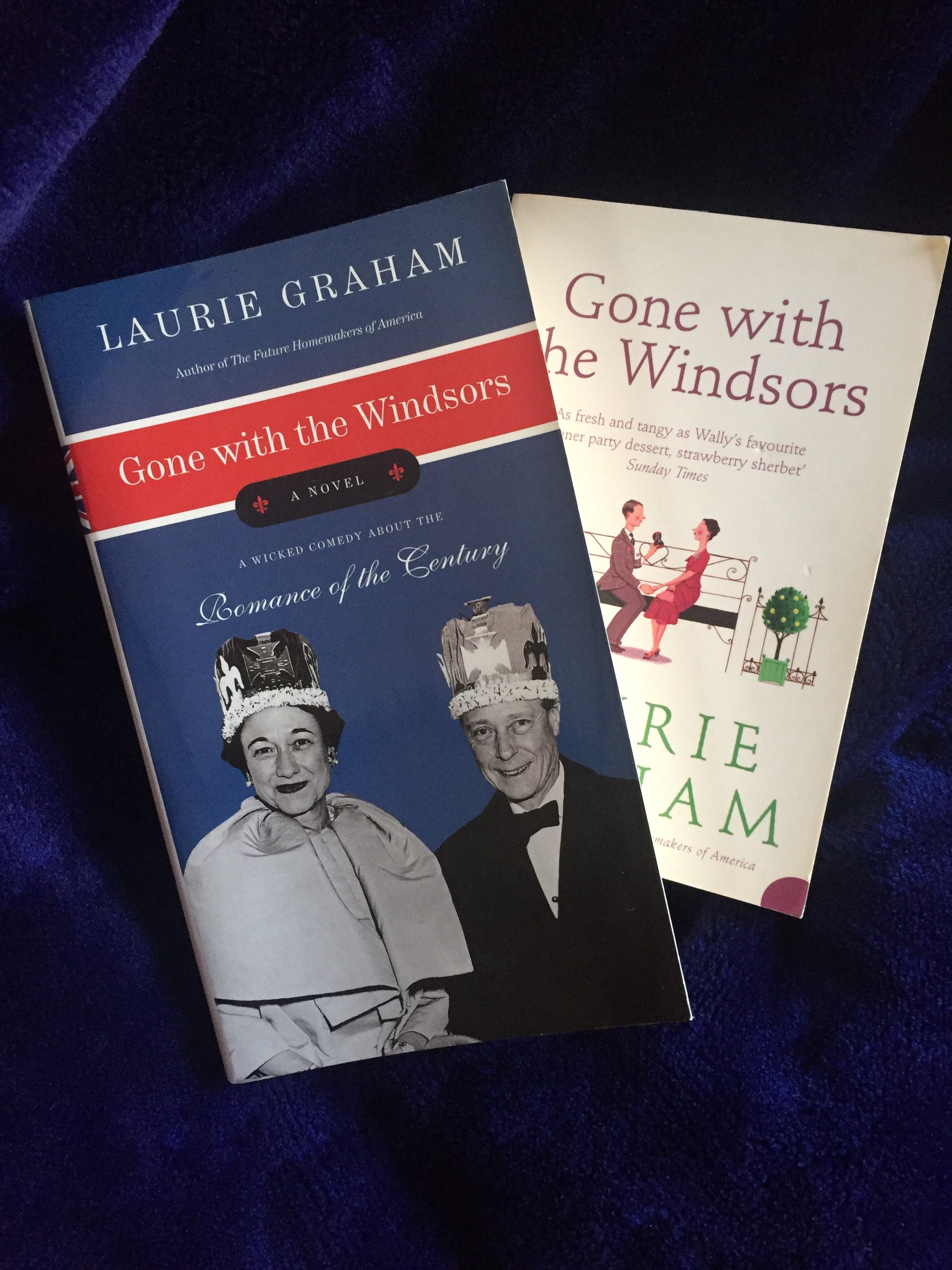
They’re both gorgeous, but I have a soft spot for the white one – as it was the first version I had.
As you can see, I have two copies of Gone with the Windsors. The blue one is a signed copy sent to me by the author after I cried and wailed on Twitter about losing my original (white) copy** and it being out of stock everywhere, the other one is a secondhand copy I bought because the signed edition was too nice to read. So now the pristine blue on is on the shelf with the other Laurie Graham books and the white one lives by my bed for when I need a dose of Maybell.
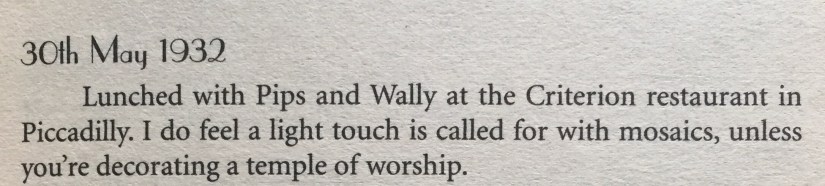
Maybell is just so much fun. Often unintentionally.
In a fabulous twist of fate, Gone with the Windsors is coming out on Kindle later this month – I’d actually already written a sentence saying that I was said it wasn’t available Kindle so now I’m very overexcited at the prospect of having Maybell to hand whenever I need a pick me up. So, you too can preorder Gone with the Windsors on Kindle, or pick up a secondhand hardcover or a (new or secondhand) paperback copy from Amazon. I’m hoping the preorder link for her next novel – a sequel to Future Homemakers of America out in June – appears soon as it’s been more than a year since her last new novel came out and I’ve got withdrawal symptoms.
Gosh this has turned into a long post. But I feel very good for having told the world about my love of Maybell Brumby and her crazy view of the world. I hope you’ve enjoyed reading it – and I hope you get0 the book.
Happy reading!
*Usually when talking about another Laurie Graham book to say that GWTW is my favourite.
** I lent it out without writing my name in the front of it and never got it back. It was a salutary lesson.
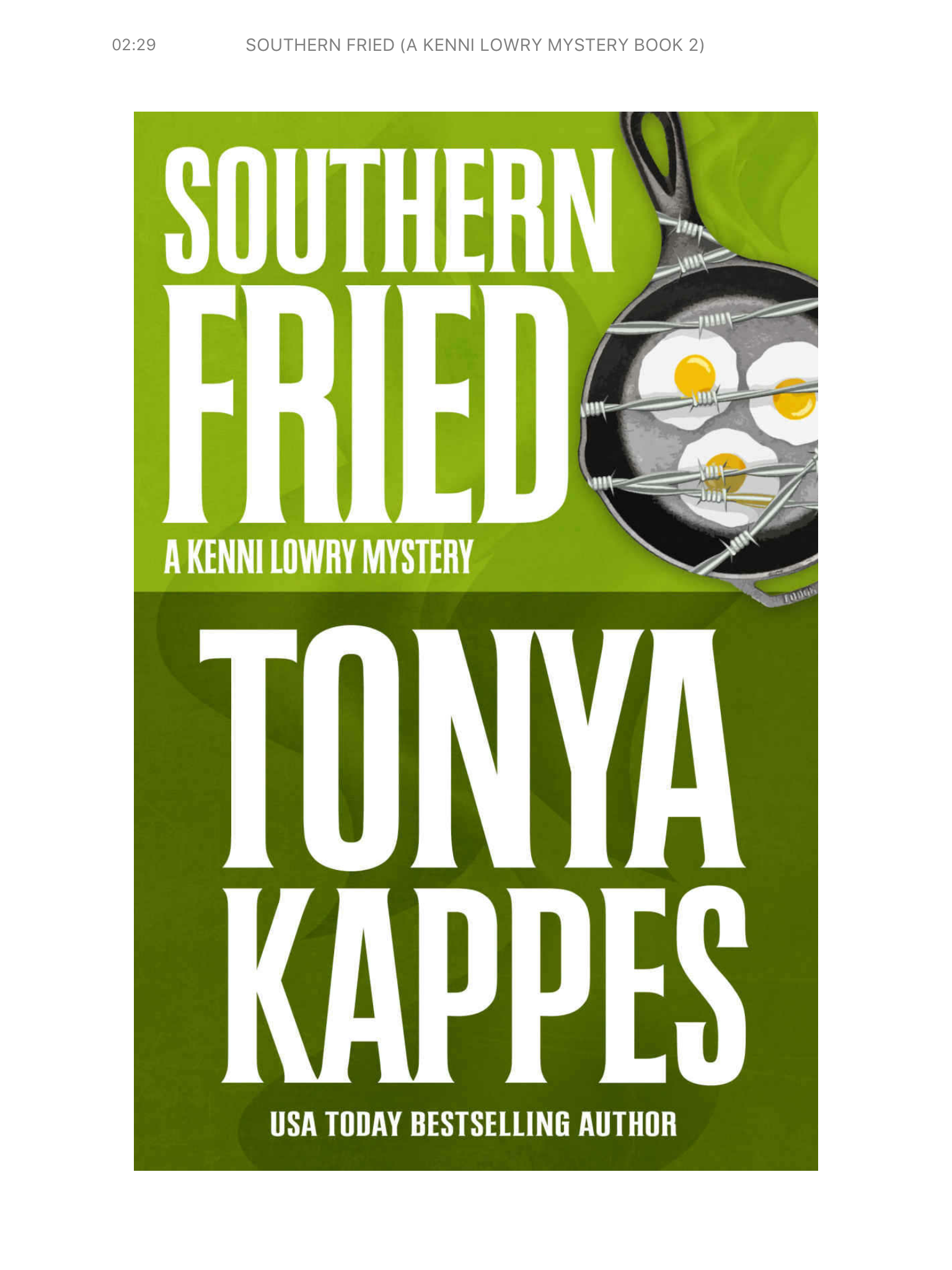
It was actually a really tough choice picking this weeks BotW partly because I didn’t read as much last week and partly because none of what I read was an absolute stand out for me. So in the end, I’ve settled on Tonya Kappes’ Southern Fried – a cozy crime mystery that comes out today, which has its issues, but overall was the book I had the most to say about of last week’s reading!
I like the cover – simple but actually relevant to the story.
This is the second in the Kenni Lowry series – about the sheriff of small town in Kentucky who is assisted on the job by the ghost of her grandfather (no, don’t walk away, it’s not quite as nutty as it seems) who was also the town’s sheriff. Kenni loves her job, but her mother isn’t best pleased about her daughter’s vocation – and neither are some of the townspeople as the local crime rate starts to rise. In Southern Fried, Kenni is investigating the death of a man found dead in the greenhouse of his former (as it turns out) employer in the run up to a cook off that they were both taking part in. In working out what happened, Kenni gets tangled up in family feuds and local intrigue just as election season is starting to get underway. As the danger mounts, Kenni, her dog Duke and her new (and handsome) deputy Finn must work out what’s going on before the rising death toll scuttles Kenni’s chances at holding on to her dream job before the voting even starts.
There’s a lot that I liked about this – I love the southern setting, the mystery is fast-paced and twisty with a potential slow burn romance running alongside. However as a Brit, I struggle to get my head around the idea of elected sheriffs and the hyper-local police forces and at times Kenni doesn’t help with this. In the first book in the series I found her spacey and not entirely convincing on police procedure (especially for a police academy graduate) but she seems much more competent in this one, which helped me cope with the fact that she’s taking advice from a ghost! Regular readers will know that I have a strange releationship with the supernatural and parnormal in books*, but in the main this works for me. There were still a couple of points where I raised my eyebrows at Kenni’s actions – an amateur detective can get away with a lot more than a sheriff can – but the book moves quick enough that you only notice this when you stop to think!
This book also made me muse on the role of the knowledgeable background character in cozy crimes. Kenni being the sheriff is a double-edged sword – it means that she has the right to be investigating crimes (and indeed is likely to come across them) in a way that many of the sleuths in cozies don’t, but it also rules out an important source of information and means that at times the sleuth can come across as not being very good at her job. there’s a couple of points in this where Finn the deputy seems like he knows what he’s doing more than Kenni does. But this is only book two in the series and is a big step on from book one so there is lots of potential for development and improvement as the series goes on.
My copy came from NetGalley, but you can buy Southern Fried on Kindle or in paperback from Amazon from today.
Happy Reading.
* As in sometimes it works for me and sometimes it doesn’t but I can never work out in advance what I’m going to like and what I’m going to hate!
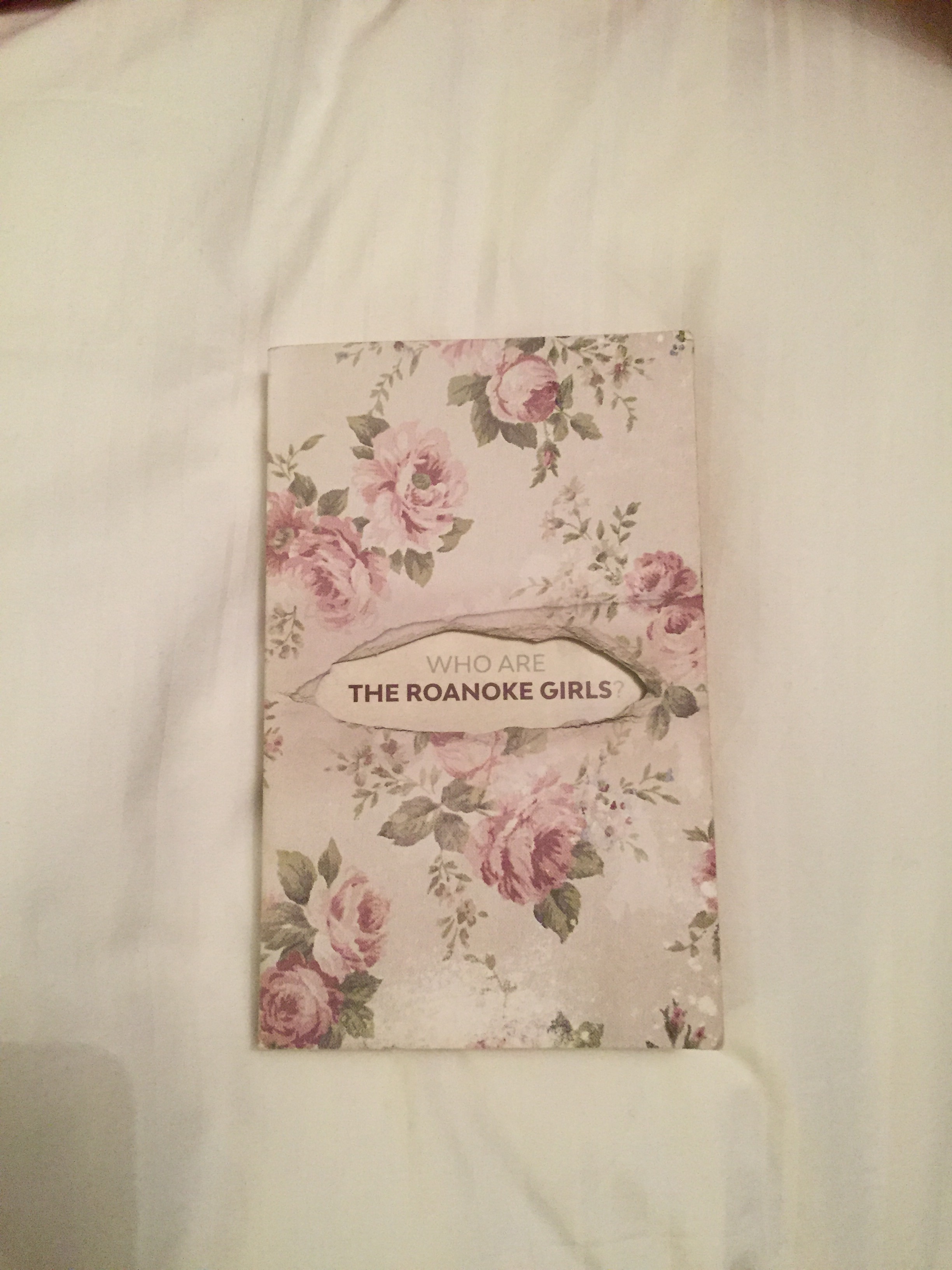
As you may have noticed, I read a lot of books on my holiday. But actually this week’s BotW was an easy choice because Him Indoors read The Roanoke Girls after me and really enjoyed it too – and he doesn’t read anywhere near as many books as me and our tastes don’t always coincide.
My very pretty ARC of The Roanoke Girls – which has all sorts of nice touches to it
Lane Roanoke goes to live with her grandparents and her cousin Allegra after her mother’s suicide. They live on a large estate in Kansas and are top of the town hierarchy. But Lane only spends one summer there. 11 years later, Lane returns to the estate after Allegra goes missing. Roanoke girls have a history – they either run away or they die. Which has happened to Allegra and what is the dark secret that threatens the Roanoke girls?
I can’t say any more than that about the plot – because it will spoil it. This has been billed as a provocative thriller – and I’d agree. It’s dark and shocking and won’t be everyone’s cup of tea. But I was absolutely and totally engrossed and gripped. I couldn’t stop turning the pages, even if on occasion it was from between my fingers with horror. The Roanokes are by turns fascinating and horrifying and it is a great book to read on the beach. In fact, it’s a great beach book – because if you read it on the sunlounger it will help chase the darkness away. Although rural Kansas is fairly hot and steamy, so that might not work.
I’m still thinking and digesting it a week on – but I think it might be my go to summer holiday book recommendation. For people who can cope with the darkness…
I lucked into an advance copy, but the Roanoke Girls is out now in hardback from Amazon, Foyles and Waterstones and on Kindle and Kobo. The paperback is preorderable – but it’s not out until September, which might be too late for your holidays.
After yesterday’s ravings about Bet Me, I thought for Recommendsday this week I give a quick shout out to other books and authors doing similar things.
A lot of the books that spring to mind are actually from a while ago – and now have spots on my keeper bookshelves – but this also means some of them aren’t available on kindle, or are only available second hand. Which is a real pain, because they’re all excellent.
I’m going to start with Sarah Mason – and in particular The PartyThe Party Season Season. Izzy and Simon have a great love/hate relationship and all the supporting characters are brilliant too. I wish there were more books by Mason, but she appears to have vanished from the bookish world. She did have a business career as well, but I’ve often wondered if she’s still out there writing under a different name* and I just haven’t spotted her yet. Luckily these are available on Kindle.
Talking of authors that I wish there were more books from, I cried in Tescos when I picked up Melissa Nathan‘s last book and read I the in the author ioraphy that she’d died. She wrote smart, sexy funny romantic comedies the likes of which are hard to find. The good news is that they’re available on Kindle too – The Waitress was the first of hers that I read, but I think The Learning Curve is my favourite.
It’s not that long since I had a rave about Christina Jones, and she definitely fits into this sort of company, as do Hester Browne, Claire Sandyand Jenny Colgan. Hopefully that’s enough suggestions to keep you going for a few days, but if you have any more suggestions for me, do leave them in the comments.
I had trouble picking my Book of the Week this week for various reasons, and I’m sorry that this post is a bit short. Anyway, this week’s BotW is Our Own Private Universe by Robin Talley. I read this last week, and while bits of it didn’t work for me (of which more below) it’s a story that I haven’t read before (maybe I haven’t been looking in the right places!) and that needs to be represented more in fiction – particularly YA fiction.
15-year-old Aki is bi-sexual, but so far she’s only told her best friend Lori. She’s off to Mexico for the summer with her church youth group and the pair have a plan to start getting out there and living an interesting life. At the camp, Aki meets Christa and the two have a connection. But it’s not easy trying to navigate your first relationship with everyone watching you – especially if you’re trying to keep it quiet. And how do you know if it’s love anyway?
There was a lot about this that I liked. It’s a diverse (in every way) queer coming of age story that (spoiler alert) doesn’t end in deaths and disownment. But that’s not to say there isn’t plenty of angst, because there is. In fact that was my main gripe with the book – that at times Aki just went too far over my whining teenager limit and there was a lot of petty drama that I could have done without. But I have a low tolerance for that sort of thing – so it may work much better for the target market of angsty teenagers than it does for me!
But although it’s not perfect, stories like this need to be told and need to be out there. And the world needs more happy YA love stories (or at least I do!)- whether they’re F/F, M/M or M/F.
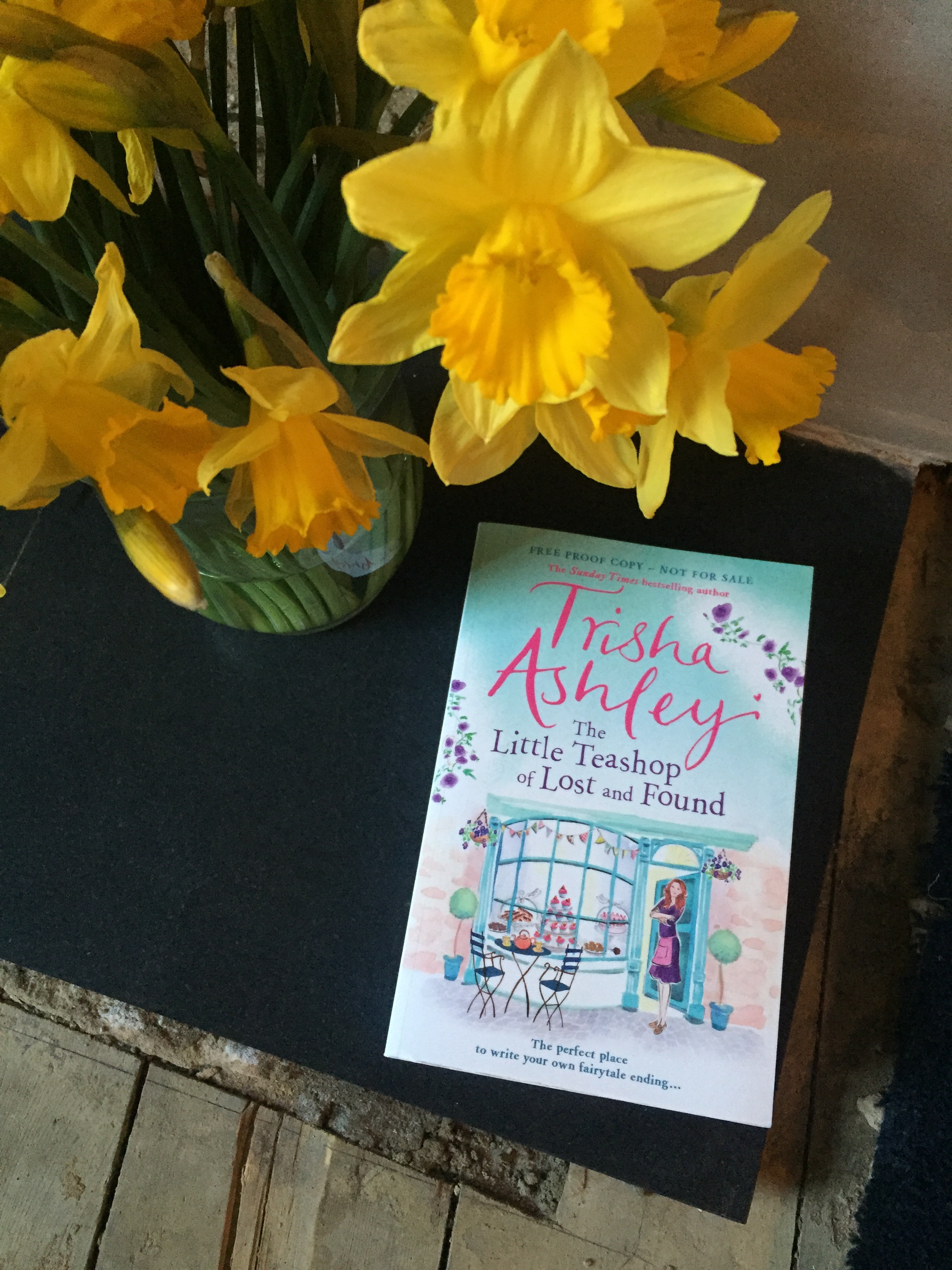
This week’s BotW is the latest from long-time auto-buy author of mine, Trisha Ashley. If you’ve been here a while this choice will not surprise, you because you’ll know that I’m a big TrishaAshley fan. I’m on her mailing list, I go to her London readers’ tea party, I keep her books on the special downstairs bookshelf of books I might need to have handy to read again AND I have copies of most of them on Kindle. So you can imagine how delighted I was when I got an advance readers copy of her new book The Little Teashop of Lost and Found – and how much willpower it took not to squeal all over the place, read it straight away and then immediately blog about it. But I have been restrained. Very. It helped that I had to pack all the book piles away for the fireplace work – and that they still haven’t been properly unpacked. It helped that I knew I had nights coming right before it was due out and that this would be the perfect book to save as a post-nights* treat to myself. But still. Points for will power for waiting to read it so that I could post this the week that it comes out. Anyway, you want to hear about the book, not about my crazy fangirling, so here we go.
Check out my attempt at pretty photography. I like the contrast of the daffodils and the book cover.
The Little Teashop of Lost and Found tells the story of Alice, abandoned on the moors above Haworth as a baby, adopted and then abandoned again in various ways by various people as she grows up into adulthood. Always feeling like an outsider, after her latest setback she buys a rundown cafe in Haworth in the hope that being close to where she was found might help her find the home and the family that she’s been searching and longing for. While she’s setting up her tea emporium – and writing her book – she makes friends and starts to try and unravel the mystery of who she really is. But will she get her happily ever after?
Trisha Ashley’s heroines tend to be looking for a second chance at love and have tragedy in their past – and Alice is no exception.** She’s had so many knock backs and tragedies that it’s a wonder she’s still in any way optimistic about the future. And life in Haworth isn’t plain sailing at first, although she soon acquires a surrogate family to help her along. I liked the interludes with extracts from the dark and twisted fairy tale that Alice is writing and I loved the secondary characters – the Giddings family, Lola and the rude waitresses with the hearts of gold are all brilliant. And I really liked the other intercut sections that I can’t talk about without giving too much of the plot away – they’re so cleverly done that I had to go back and reread some of them at the end in shock to check I hadn’t missed something earlier!
This is warm, witty and uplifting as well as being a great slow-burn romance where the reader and every one else around the heroine can see what’s going on so much more clearly than she can. This is also (obviously) set in Yorkshire rather than the more traditional Trisha-world of Lancashire but there are some familiar faces here despite that. If you’ve read the novella Finding Mr Rochester you’ll spot some characters from there – in fact I need to go back and read it again to see exactly how many characters from that pop up in this.
The Little Teashop of Lost and Found is out in hardback on Thursday (the 9th) and you can get your copy from Amazon (for a bargainous £6.99 at time of writing), Waterstones and Foyles or buy it on Kindle or Kobo. The paperback isn’t out until June, but you can pre-order that from Amazon, Waterstones and Foyles too. I need to get myself a copy too – because the ARC doesn’t have all the recipes in the back!
Happy Reading!
*Proof reading this was a real hoot – I wrote this when I was still quite nightshift-brainy and when I came back to check it, well lets just say it was a haven for unfinished sentences, typos and mismatched tenses. I think I’ve fixed them all, but hey, if a few have crept through, I’m sorry!
**In fact I think the heroine’s backstories are getting sadder – Tabby from Christmas Cracker had been in jail (she was someone else’s dupe), Cally in Wish Upon a Star had a seriously-ill daughter, Izzy in Creature Comforts had been involved in a serious car crash, now Alice abandoned at birth. I don’t know how the books still end up being so cheerful and uplifting!
I know. This is a day late. What can I say – nightshifts really wiped me out. I have spent so much time sleeping – and then a lot of life admin to do to try to catch up after two weeks of living nocturnally. So this is a Recommendsday post instead – and you can wait until tomorrow for February stats. Sorry. Anyhow, this week’s BotW really brightened my nightshifts commutes up last week – Lucy Parker’s second book, Pretty Face.
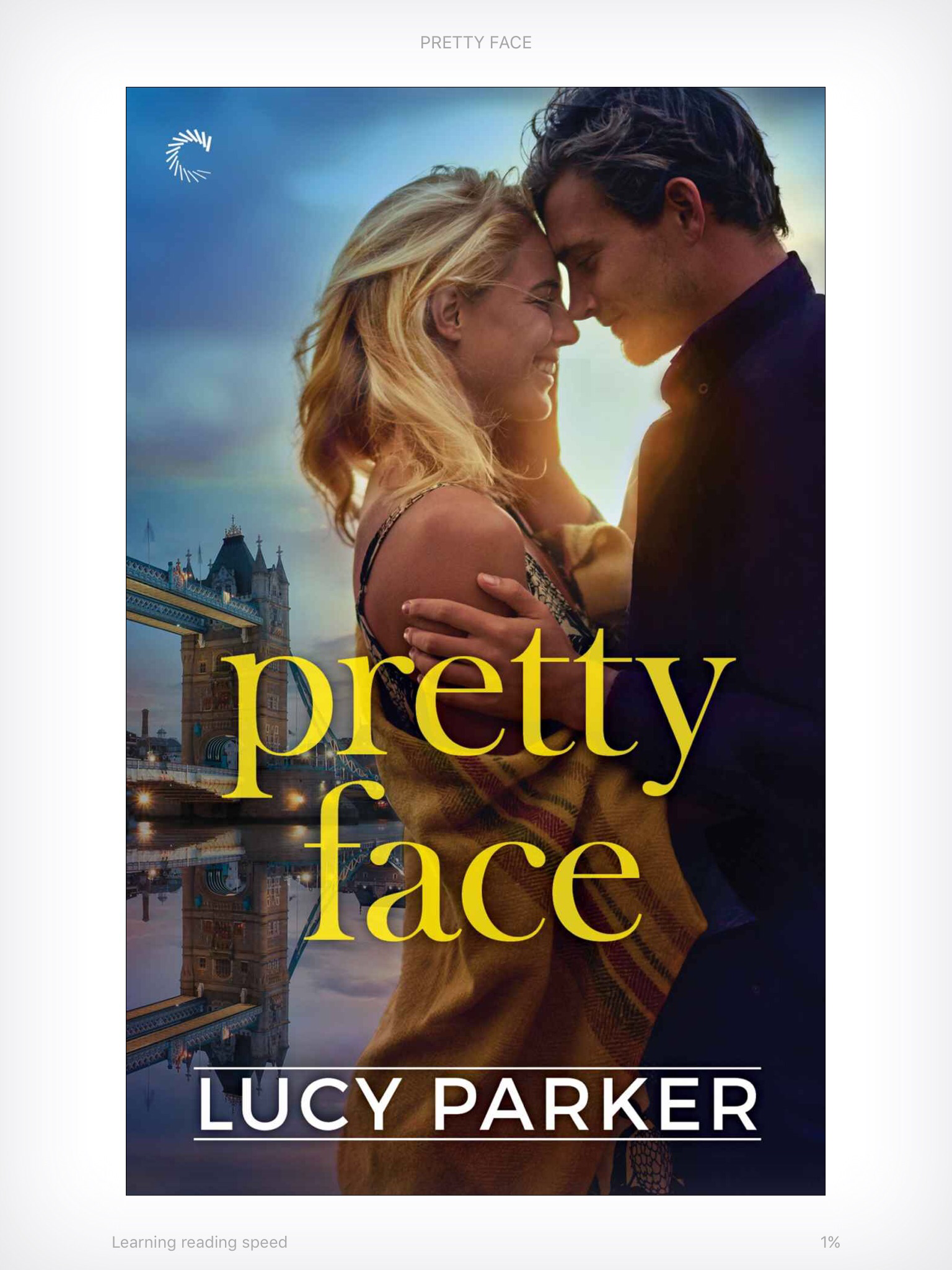
You know its in London because of the bridge!
Lily Lamprey is an actress. Unfortunately she’s handicapped by a sexy voice and curves that saw her cast as a man-stealing bitch in a popular period drama. But now she’s leaving the show and she wants to do something different. Respected theatre director Luc Savage has poured his heart and soul into restoring his family’s London theatre and now he’s casting the opening production. Some of his partners think that Lily giving a role would be a great way to sell tickets. But he’s not convinced she can pull it off. When the two meet there are sparks – and instant attraction. But Lily’s mum has a reputation for getting ahead through her relationships and Lily knows what people will say if she starts seeing Luc. Luc’s long-term relationship has just finished and he’s older than Lily – he’s sure it’s just a mid-life crisis and he’s not willing to risk his career and reputation on it.
This is just what I like in a romance. It’s an enemies to lovers story with witty banter, plenty of snark and a great set up. Both characters have their issues and their reasons for avoiding a relationship with each other and the way things are worked out and worked through is fun to read about. Parker’s depiction of the world of the theatre is great – full of well-rounded characters and personality. If I have a problem with the book it’s that a few of the British references and British-isms jarred for me and didn’t ring entirely true. But that’s little nitpicky details that most people probably aren’t going to spot/be annoyed by.
Pretty Face was just what I needed last week – fun and romantic, with a bit of emotional peril and a satisfying conclusion. And I liked it more than I liked her first book, Act Like It, too. I just hope we don’t have to wait too long for another one.
My copy came via NetGalley, but you can get an ebook copy from Kindle or Kobo, who also have Act Like it as well (Kindle, Kobo).
I’m on my second week of nights, so I’m hoping that when this publishes, I’ll be asleep. Or if not asleep, just waking up well rested and raring to go. Fat chance Fingers crossed. Anyway, this week’s BotW returns to a familiar face to regular readers – yup, it’s another Fahrenheit Press book. In fact I had to go back through the archives to make sure I hadn’t already talked about Christy Kennedy, aside from the brief mention in last week’s Half-Term Reading* because The Ballad of Sean and Wilko is the fourth in the 10-book series.
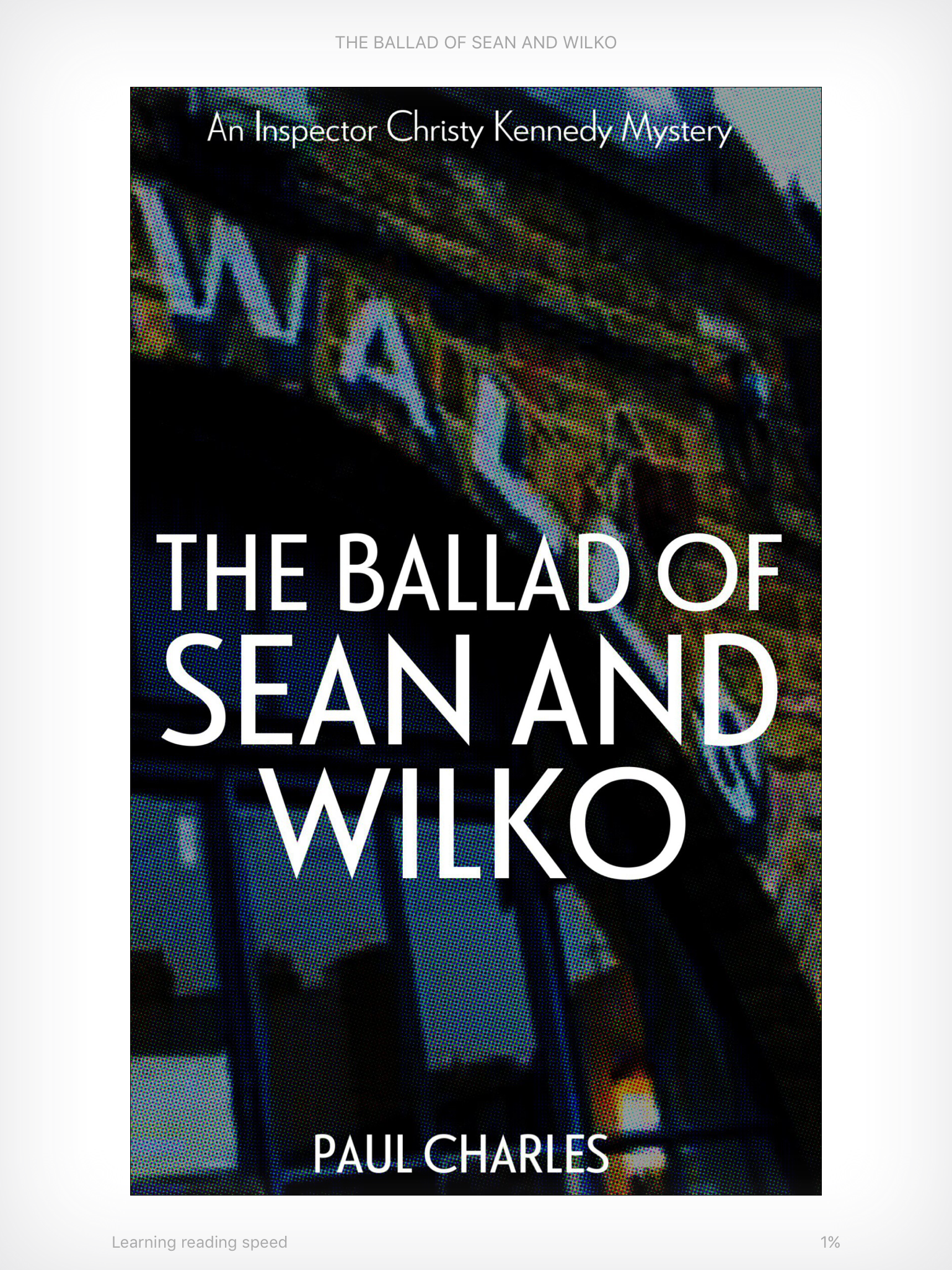
The covers are all quite dark and brooding – and Camden
In the Ballad of Sean and Wilko we rejoin Christy Kennedy as he investigates the murder of the frontman of a 70s band who is found dead in his locked dressing room mid-show. Kennedy has to pick his way through a tangle of complicated relationships – professional and personal – to try and figure out what happened. Then another body turns up, in another locked room.
Christy Kennedy is a Northern Irish detective with a fondness for the Beatles and a soft spot for a local journalist called ann rea (no capital letters – like kd lang). He has a methodical approach to solving mysteries and you know as much as he knows (most of the time). There’s a collection of supporting characters who are interesting in their own right and who never feel like fillers. And late 1990s Camden is a character in itself, painted with love and affection
Paul Charles started writing the Christy Kennedy series nearly 20 years ago and they have aged well. The music may be on CD or vinyl and there may not be many mobile phones, or much talk of the internet but because it was written at the time it all feels perfectly natural. Charles has worked in the music industry and boy does it show. I’ve learned so much about the mechanics of the industry from these books – particularly this one – but it’s all worn very lightly so you only realise later how many facts are packed in there.
Anyway, to summarise: good murder, great setting, excellent detective. What more could you want. The Ballad of Sean and Wilko is available on Kindle for the bargain price of £1.99. I got my copy as part of my Fahrenheit Book Club subscription which I have banged on about enough already.
Now I’m off back to bed. I can only hope this post makes sense. My brain is not a very coherant place right now.
Happy reading.
*Which I’m obviously now regretting because it’s making me sound repetitive and I hate that. But I did like it best out of last week’s books so sod it, and let it be a lesson to me to plan better in future.