Exhibitions, not a book

Not a Book: Cecil Beaton’s Fashionable World

Happy Sunday everyone, I had a really good time out at a gallery on Friday and given that the exhibition is only on until early January, I thought i ought to write about it sooner rather than later.
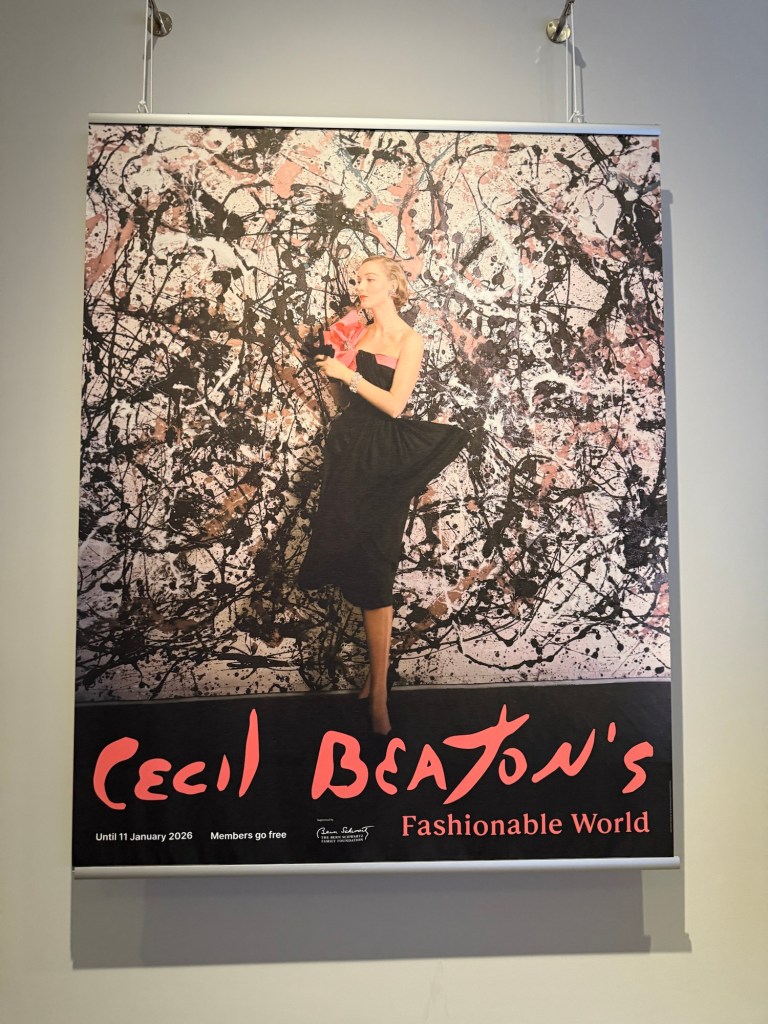
Cecil Beaton’s Fashionable World at the National Portrait Gallery is an examination of the photographer’s work in Fashion and Portrait photography. It takes you through from his early days and Bright Young Things of the 1920s to the My Fair Lady era in the 1960s. Along side the photographs there are also things like his first camera, which he used all the way through til after he first started at Vogue, and one of the dresses he designed for Julie Andrews to wear as Eliza Doolittle in the West End production of My Fair Lady in the late 19050s.

I didn’t get to see the last Cecil Beaton exhibition at the NPG – because it opened just a few days before Covid shut the world down in 2020 and never reopened. I have the exhibition poster from that on the wall of my house and the exhibition book as well, and that one focused on his work in the 1920s and 1930s with the Bright Young Things. This does have some of that, but is much broader in its scope. Yes the famous Stephen Tennant picture is here, but so also are the royal portraits and Hollywood royalty – like Marlon Brando, Katherine Hepburn and a young Yul Brynner with hair!

I really enjoyed myself – it’s in the same space that The Culture Shift exhibition was in earlier in the year which is big enough that you feel that there is plenty to see and that everything has space to breathe but not so big that you get overwhelmed by it all and start to lose focus.

Cecil Beaton’s Fashionable World is on at the National Portrait Gallery until January 11, and I would book your ticket in advance, especially if you’re planning on going at a weekend.

historical, mystery, series

Mystery Series: County Guides

Happy Friday everyone, it’s very, very cold where I am in the UK* and I’m seriously starting to think about starting Christmas shopping. I know. It’s still November. Anyway, after a romance series last week, here is a murder mystery one for you.

It’s the 1930s and the County Guides books follow “the People’s Professor” Swanton Morley around the UK as he writes a series of guidebooks. It is seem from the point of view of his newly recruited (at the start of book one) secretary Stephen Sefton, a veteran of the Spanish Civil War who has a slightly shady past. Also travelling with them is Morley’s daughter Miriam. Everywhere they they stumble across a body and this – and Morley’s attitude – makes them unpopular with locals and the authorities alike.

As you know I really like a historical mystery series and the 1930s are one of my real sweet spots for that. And the fact that each book moves to a different part of the country makes for a good way of varying the setting and giving opportunities for new characters to be introduced each book without expanding the core group and leaving hanging threads for the next book.

These are very much in the books where I love the premise but sometimes find the reality disappointing. This is mostly because Morley is set up as deeply irritating and at times Stephen can be too and that leaves you with no one to really root for – you share the exasperation of the locals with these annoying people who are telling them how to solve a murder! But that said, I liked them enough that I followed them through all five books in the series – even though it has taken me a while and they got harder to find.

I got the first few of these from NetGalley, a couple from the library and then bought the final one on Kindle. I have occasionally seen paperbacks in the shops – new and secondhand but I suspect at this point Kindle or Kobo will be the easiest way to get hold of these, although, neither Kindle or Kobo have managed to link the five books together as a series which is both annoying and weird because it makes it hard to give you a proper link to click and so all I can do is link you to the list of Ian Sansom ebooks and tell you that the order is: The Norfolk Mystery, Death in Devon, Westmorland Alone, Essex Poison and The Sussex Murders.

Have a great weekend everyone.

*although obviously as nothing to winter in some places, but the UK is not made for the cold.

Recommendsday

Recommendsday: Post Great War-set novels

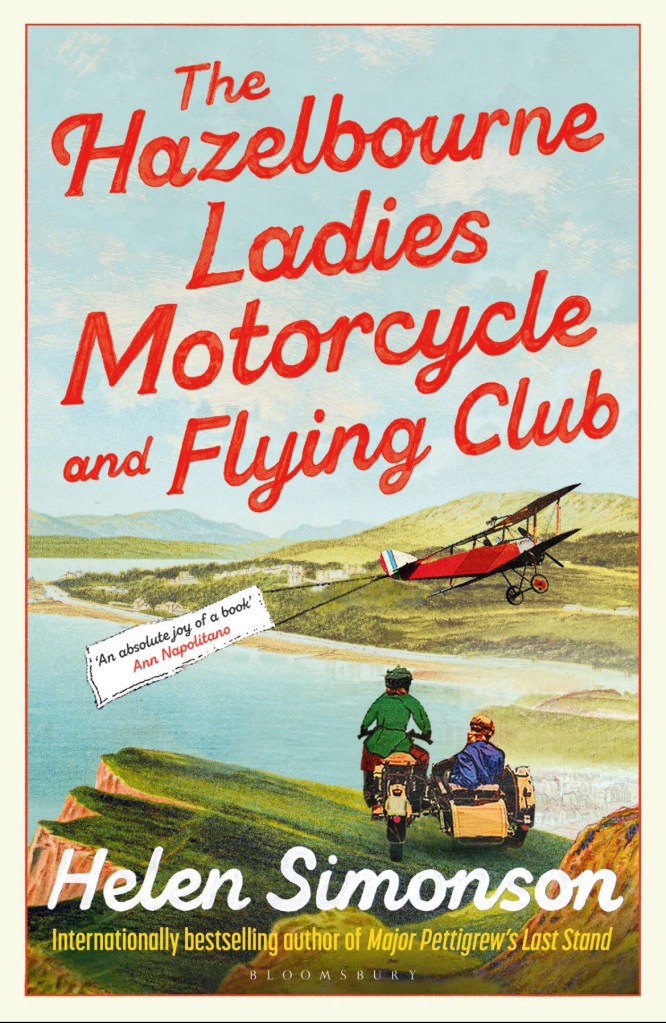
After writing about The Hazelbourne Ladies Motorcycle and Flying Club yesterday, I got to thinking about other novels set just after World War One and that show the changing world that I could recommend – or in fact have mentioned previously.

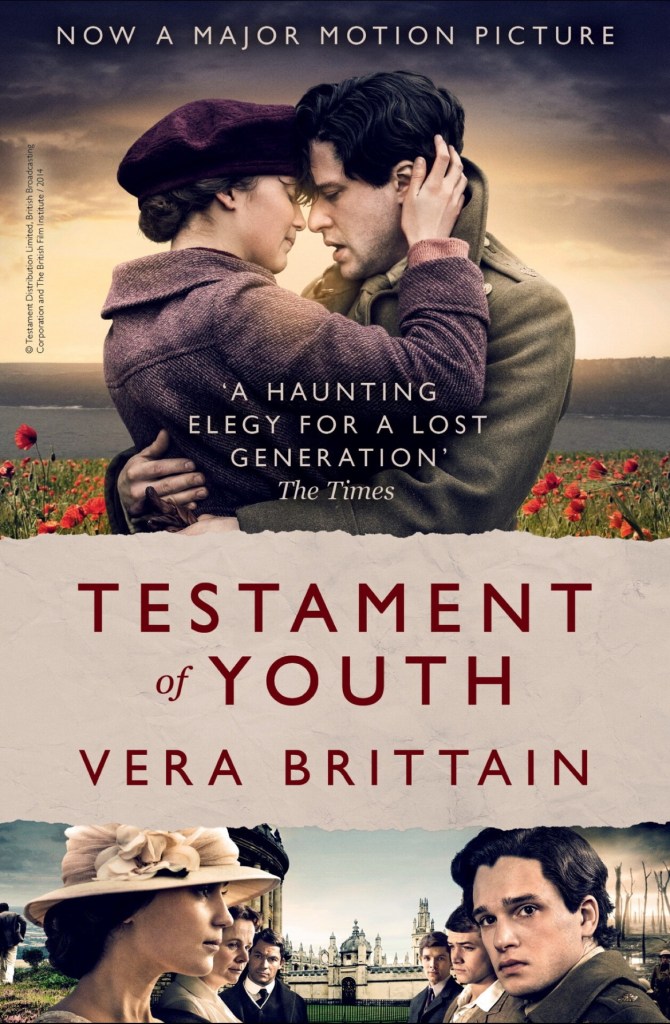
I’m going to start out with a book that I hated. I know. I know. I’ll explain. It’s Vera Brittain’s Testament of Youth. And I mention it because it’s a classic and it has all the context you need to understand what was going on during this period. It is Brittain’s memoir of the first 25 years of the twentieth century, and shows the impact of the Great War on young women through her real life story. Why did I hate it? Well I read it as part of my reading for my A Level War Literature module, for which I also read Robert Graves’s Goodbye to All That, Siegfried Sassoon’s Memoirs of a Fox Hunting Man and its sequels, Susan Hill’s Strange Meeting and all three books in Susan Hill’s Regeneration trilogy. Now I may just have been war novel-ed out – and those other books all have characters in common (sometimes in need of decoding) so maybe that explains why I hated it, possibly if I went back now I might feel differently, but there are too many books that I’ve never read and that I don’t know that I hate (yet) for me to go back and revisit something I hated. The same applies logic applies to T E Lawrence’s Seven Pillars of Wisdom, which I hated when I read it at uni a year or two later, and which I have never revisited – although I have tried watching the film again a couple of times because it is genuinely beautiful looking with great music. But no.

Ok, that over let’s move on. Obviously it’s not long since I wrote about the Maisie Dobbs series, but Maisie is another whose life trajectory is changed by the Great War – and many of the cases that she tackles can trace their roots to that conflict too. Another female detective, the delectable Phryne Fisher is also a veteran of ambulance driving during the war, an experience which informs her whole attitude to life as well as some of her cases, one of which involves a shell shocked soldier and another her time in Paris after the Armistice. And of course the first Peter Wimsey book came out in 1923 and the lingering impact of his war experiences are very present in the early books.

Away from the detectives, the Bright Young Things are one of the recurring themes of books set after the war. If you haven’t read it, Evelyn Waugh’s Vile Bodies is a good place to start, and then you can moved on to other stuff, fortified by the knowledge that Waugh was there for the real thing. I’m going to be controversial, but I’ve read this more than I’ve read The Great Gatsby – which is the big classic of the era (and which you should also read if you haven’t already). Beatriz Williams also has several novels set in the 1920s – my favourite of them is probably Cocoa Beach. And her frequent collaborator Lauren Willig has The Other Daughter.

And I think that’s probably your lot for now, except to say that I have got some more stuff set in this period waiting on the shelf as well – like Kate Atkinson’s Shrines of Gaiety on the fiction front, but also lots of non-fiction about the era, so no doubt more anon!

Have a great Wednesday!

Book of the Week, new releases

Book of the Week: The Hazelbourne Ladies Motorcycle and Flying Club

A historical fiction pick today, and one that has taken me a while to read on account of my brain’s refusal to concentrate on long books when I’m tired and my uncertainty on how things were going to turn out and my current need for closure and happy endings!

It’s 1919, the war is over and the world is starting to return to normal. Except that normal seems to mean that all the gains that women have made during the war are being rolled back and having had a taste of independence the world is now trying to relegate them back to domesticity. Helen Simonson’s new novel focuses on three characters trying to figure out what their place is in the post-war world. Constance had taken over the management of an estate, but is now losing her job and her home to make way for returning men. After nursing the mother of her employer through influenza, she is sent with her to the seaside, where she meets Poppy and her group of lady motorcycle riders, and Poppy’s brother Harris, an injured wartime pilot who is still coming to terms with his new reality. And then there is Klaus, German by birth but a naturalised British citizen, who has got a job as a waiter again, but is finding that he has to keep a low profile on account of his name and accent.

This is a smart and thought-provoking novel set at an interesting time that is ripe for fiction. It’s also a coming of age story, but there is a deal of darkness to balance the tea dances and parties. The interwar period is one that I love reading about – but I haven’t read a lot of fiction set exclusively at the start of that period, and it gave me plenty to think about as well.

My copy came from NetGalley, but it’s out now and available on Kindle, Kobo and in hardback.

Happy Reading!

Book of the Week, books

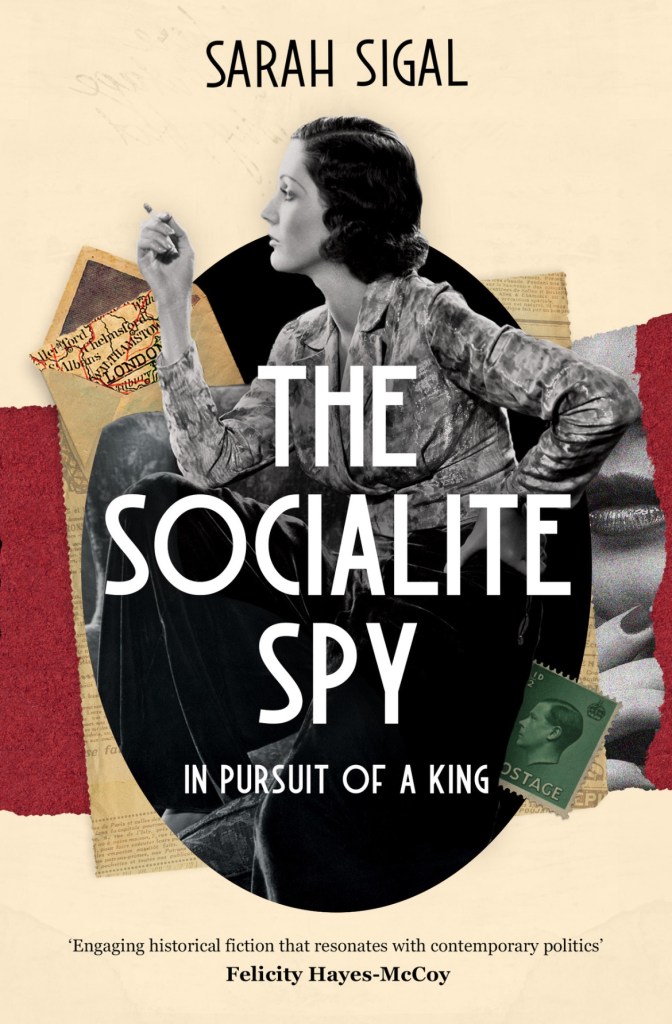
Book of the Week: The Socialite Spy

As I said yesterday, although I should have been reading Christmas books and books that ticked off missing states in my reading challenge, actually last week I was reading a bunch of other stuff, so today’s pick is Sarah Sigal’s The Socialite Spy.

It’s 1936 and Lady Pamela Moore is somewhat unconventional socialite – she’s married but she’s the writer of a newspaper column called Agent of Influence – it’s about fashion and high society. When her editor asks her to interview Wallis Simpson for a puff piece about her wardrobe, she has no idea what will come next. She’s approached by MI5 to keep an eye on Mrs Simpson and Edward VIII and to report on their links to Nazi Germany. As she finds herself moving around in high society and political circles she discovers that things are not quite as she thought they were – but is she putting herself in danger?

My love of 1930s set books is well known and I have a particular soft spot for books and novels about the abdication crisis so this really appealed to me. If you’ve read other books set around this period you can probably figure out who Lady Pamela is going to be meeting and what Wallis is getting up to. This isn’t as good as my all time favourite Gone with the Windsors, but it’s doing something different to that with the thriller/espionage element. But it was still a fun read that stuck pretty closely to what I understand the actual history to be. But of course it did make me want to go back and read Laurie Graham all over again – which I really didn’t need to add to my list at the moment because I have plenty of other books to read.

If you like the Royal Spyness series, this will probably work for you as well – it’s got slightly more peril than those so, but it’s in quite similar sort of area in a way. I think there’s a chance we could get a sequel to this – which I would happily read, just to see what Sarah Sigal does with Pamela next.

I read The Socialite Spy via Kindle Unlimited – which of course means that it’s not on Kobo (at the moment anyway) but I can see the paperback also available on Waterstones too – with some click and collect availability.

Happy Reading!

books, Series I love

Series I Still Love: Royal Spyness

The latest book in Rhys Bowen’s Royal Spyness series came out this week so I’m taking the opportunity to have another little chat about how much I love this series. It’s the 1930s and our heroine is Georgiana, a cousin of the king and granddaughter of Queen Victoria (just go with it and don’t think too hard about that bit) who is trying to build herself a niche in a changing world and runs parallel to some key events in interwar history.

When I wrote about my original series I love post, there were 15 books in the series- but now we’re up to 17 and well into 1936, which is obviously a Big Year for the Royal Family – and has turned out to be a big one for Georgie too. At this point every time a new Royal Spyness book comes out, I wonder if it’s the last one and whether we’ve nearly reached a logical ending for the series. I haven’t read the latest one yet so I don’t know if it is this time – but I really hope it’s not because these are such good fun, and Georgie is such a lovely heroine that it’s always fun to spend time in her admittedly body-strewn orbit! If you take away the royal connection they’re very similar to Carola Dunn’s Daisy Dalrymple series – with a fairly innocent heroine, which makes for a lot of entertainment when Georgie finds herself among the Happy Valley set whereas Phryne Fisher (for example) wouldn’t have been shocked, but would probably have found it all very tiring!

I’ve been able to borrow these from the library and buy them in stores so hopefully if you’re interested you can get hold of some of them, although this latest is Kindle or American hardback import only at the moment.

Have a great weekend!

books

Series: A trilogy of Lissa Evans novels

Ok – lets start with the elephant in the room, I don’t think these have an official title as a group – but they’re three interconnected novels and they’re by Lissa Evans, and so I christen it thusly. And I’m recommending them today because when I was thinking about stuff you might like if you like Emmy Lake and the World War Two novels from the other week, these came to mind.

The three novels are Crooked Heart, Old Baggage and V for Victory and they cover an interconnected group of characters. Noel and ace appear in the first and third which are set in the Second World War and Mattie, Noel’s former guardian is the centre of Old Baggage, which is set in 1928. The themes running through all three are about finding your place in the world, what family means and breaking the rules in various shapes and forms. I think they would work in chronological order as well as publication order if you wanted to meet Mattie first, but I think in terms of character development you probably want to meet Noel first and then read about Mattie to discover why he is the way he is.

And I should say as well that they’ve also all been Books of the week – so you can also read more thoughts at length on Crooked Heart, Old Baggage and V for Victory in those posts. But basically, if you want some beautifully written historical fiction which will make you laugh and cry, this will do it for you. They’re great and I’m so glad that I found that proof copy of Crooked Heart on the shelf at work back in the day (I miss the shelf still, although it’s probably better for the state of the pile that it’s gone) and started me on the journey even if my set doesn’t match and you know how much that annoys me!

You should be able to get hold of these fairly easily even though they’re a few years old – they were published by Penguin and I’ve seen them all over the place, including in Foyles relatively recently. And of course then you can go and read Their Finest Hour and a Half, Lissa Evans’ other World War Two-set novel which was turned into the film Their Finest. And that’s your weekend sorted isn’t it?!

Happy Reading!

Authors I love, bingeable series, Book of the Week, detective, mystery

Book of the Week: Murder and Mendelssohn

So a slightly cheaty pick this week, as it’s not a book I haven’t read before, but as I finished the Phryne reread last week, I’m going to let myself break the rules!

Murder and Mendelssohn is the twentieth book in Kerry Greenwood’s Phryne Fisher series and has a lot of the key threads in the series running through it. Inspector Jack Robinson asks Phryne for help investigating the murder of an unpopular conductor. Jack thinks the killer may come from among the choir he has been rehearsing so Phryne decides to infiltrate the choir and find out. But at the same time, one of her old friends from World War One is in town and needs her help keeping a mathematical genius alive.

My favourite Phrynes are the ones with a large cast of suspects, a love interest and a historical connection – and this has all of that. The full Fisher menage is here – with the exception of Lin Chung, and it has has Greenwood’s take on Sherlock Holmes in Rupert Sheffield, former codebreaker and current irritant to all around him except John Wilson.

I wouldn’t suggest you start the series here, because you’ll miss all the fun of getting to this point, but if you do make this your first taste of Miss Fisher, then it will give you a pretty good flavour of what everything is all about. One last thing – a warning: if you’ve watched the TV show, don’t expect this to be the same. I’ve enjoyed the series, but it’s a teatime drama and they have adapted the series to fit that – which means they’ve done a few things to Phryne’s love life, added some running plot strands that don’t exist in the book and reduced the size of the Fisher household somewhat. So treat them as separate entities if you can.

You can get Murder and Mendelssohn in all the usual ebook formats – Kindle, Kobo and the rest – and that’s probably the easiest way to get hold of them.

Happy reading!

books, literary fiction

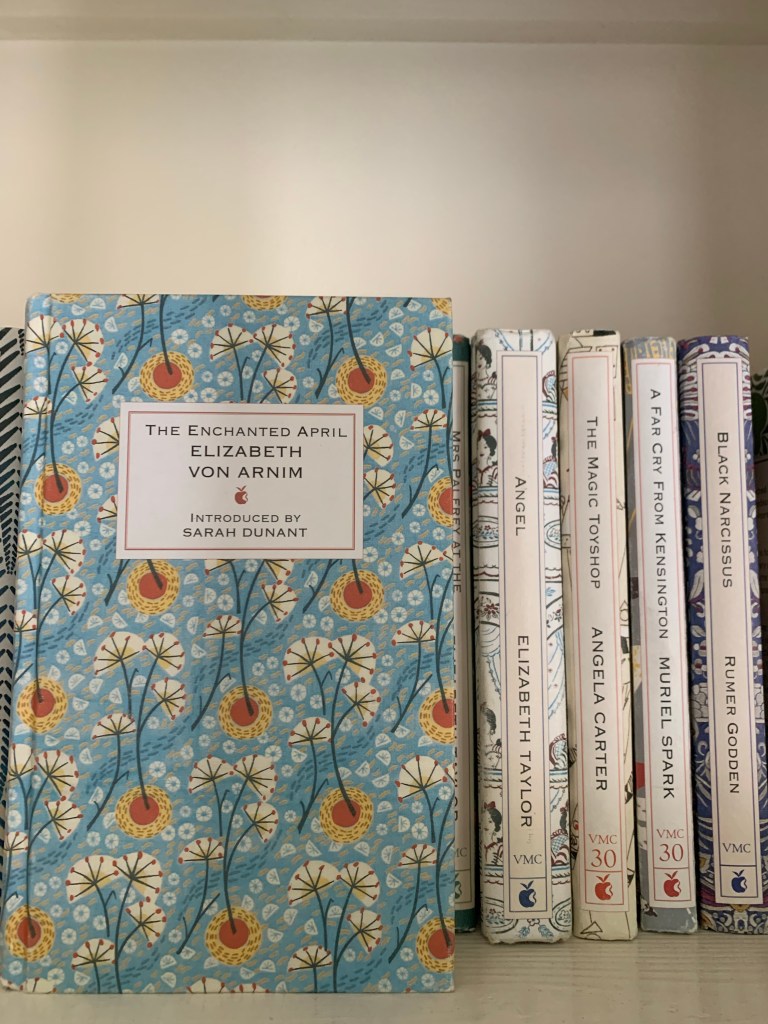
Enchanted April

It’s the last day of April, and as I mentioned yesterday it’s (early) May bank holiday weekend here which always makes me think that summer is on the way so I have a bonus book review for you today.

Enchanted April tells the story of four women who respond to an advert offering an Italian castle to rent for a month in April. They are very different and clash to start with but over the course of the holiday bond together. This was published in the 1920s – which as you all know is the absolute sweet spot for me in terms of twentieth century fiction. And it doesn’t hurt that my copy of it is one of those gorgeous Virago designer classic ones! It’s a slightly distressed rich people type story – the women would undoubtedly consider themselves ladies albeit it some of them ladies in reduced circumstances*

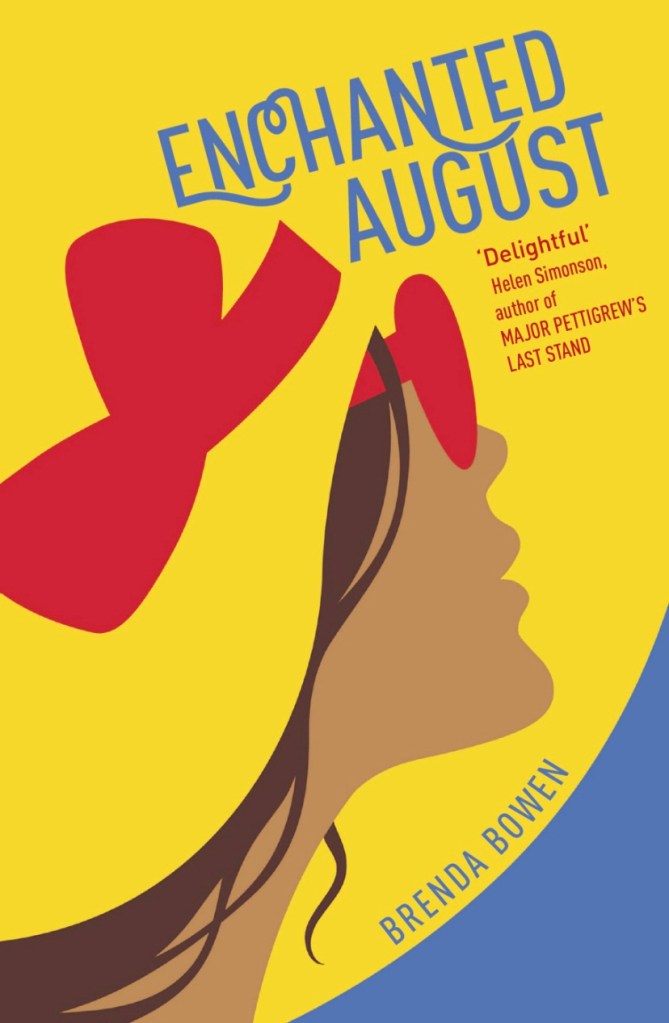
There’s a film of it from 1991, which I really need to try and watch – it’s got an interesting looking cast which includes Alfred Molina and Miranda Richardson and it got a trio of Oscar nominations too. A couple of years back there was The Enchanted August which took the premise of Enchanted April and moved it to modern day Maine which I enjoyed when I read it in 2016 – my notes from the time say “It’s not quite a rich people problems story – but it’s an escape from the daily struggles to an island and rediscover yourself and your relationships novel.” And we all know that another thing I love are rich people problems book – or things that are nearly rich people problem novels. So start with the original, but if you like Enchanted April there are options for you.

Cover of Enchanted August

And because I can’t resist an opportunity to quote from Peter Wimsey:

I said, ‘Really, Peter!’ but he said, Why shouldn’t he arrange continental trip for deserving couple? and posted off reservations to Miss Climpson, for benefit of tubercular accountant and wife in reduced circumstances. (Query: How does one reduce a circumstance?)

Busman’s Honeymoon by Dorothy L Sayers
Series I love

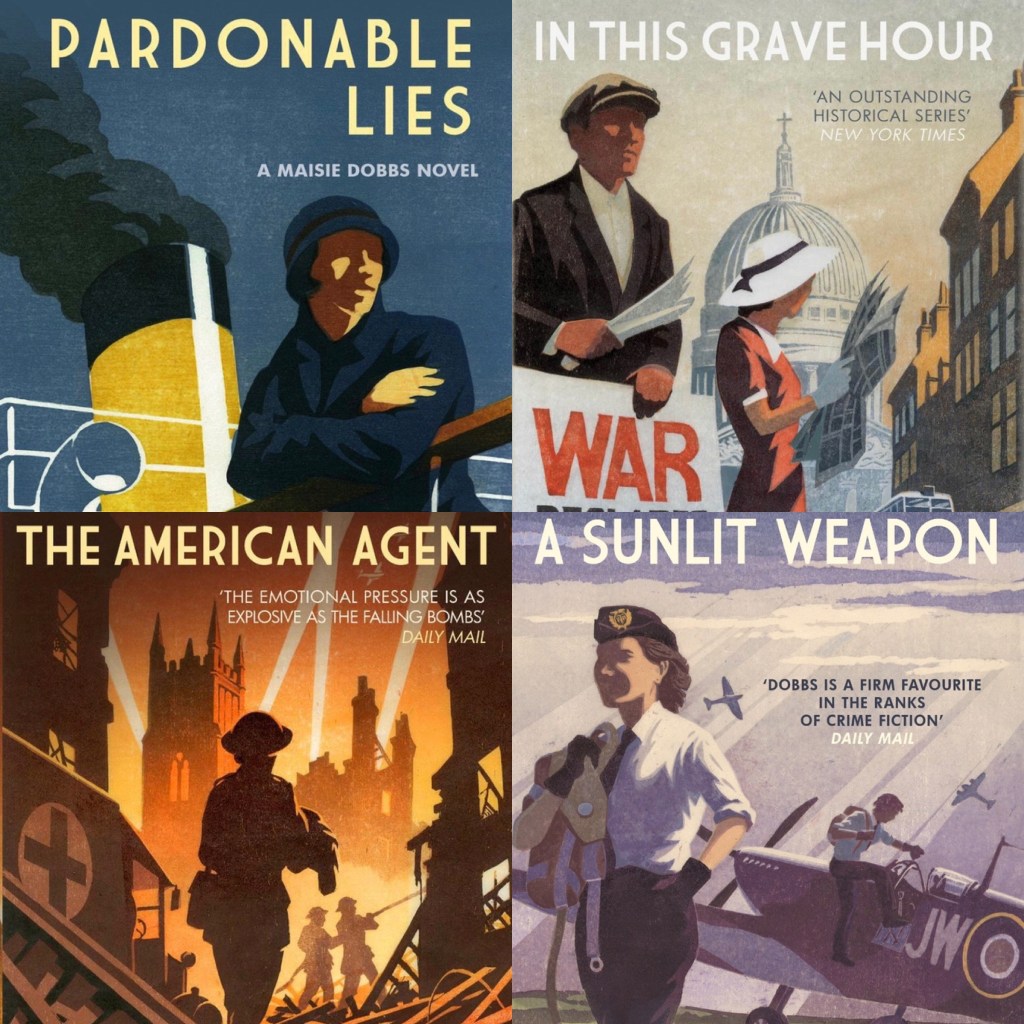
Series I Love: Maisie Dobbs

It’s been nearly five years since the first in the Maisie Dobbs series was my BotW and as the seventeenth in the series can out recently, it seemed like an opportune time to feature the series here.

At the start of the series it’s 1929 and Maisie is setting up a private investigation firm in London. As I said in my review at the time, the mystery in that book is slighter than you expect because the book is also doing a lot of heavy work in the set up for the series itself. Over the course of the rest of the series Maisie has carried out all sorts of different types of investigations – some murder, some not – but a lot of them using her experiences and contacts made during the Great War. Time moves by as the series goes on (yes, I know that sounds obvious but it’s not always the case!) and by book 17 we’ve reached 1942. This passage of time has enabled a huge variety of different set ups as well as meaning that historical events can be woven into what’s going on. And of course there have been developments in Maisie’s personal life.

This is one of my favourite series to dip into. They’re basically very easy to read historical mystery novels. They don’t have the hint of humour that you get from Royal Spyness or Daisy Dalrymple, but they’re not gruesome-gruesome either. I think there’s bits of it that need to be read in order, but I certainly haven’t done that – at the moment I’ve read 13 of the series – but the books I haven’t read are 9, 14, 15 and the newest one and I’ve read some of the others in the wrong order too! If you don’t read them in order you will get spoilers for Maisie’s personal life, but to be honest that may not necessarily be a bad thing. If you read them you’ll understand, but anything else I say will be a spoiler!

In terms of getting hold of them, it should be fairly easy – I’ve seen them in bookshops (new and used), libraries (physical and virtual) and they’re all on kindle and Kobo too. And because of all the factors mentioned above, if you want to see if you like them, you could just start with whichever one you can get hold of easiest. As I write this the cheapest on Kindle and Kobo are books 11 and 12 weirdly.

Happy Friday!

Bonus picture: Fitzroy Square on Thursday morning – the location of Maisie’s office.