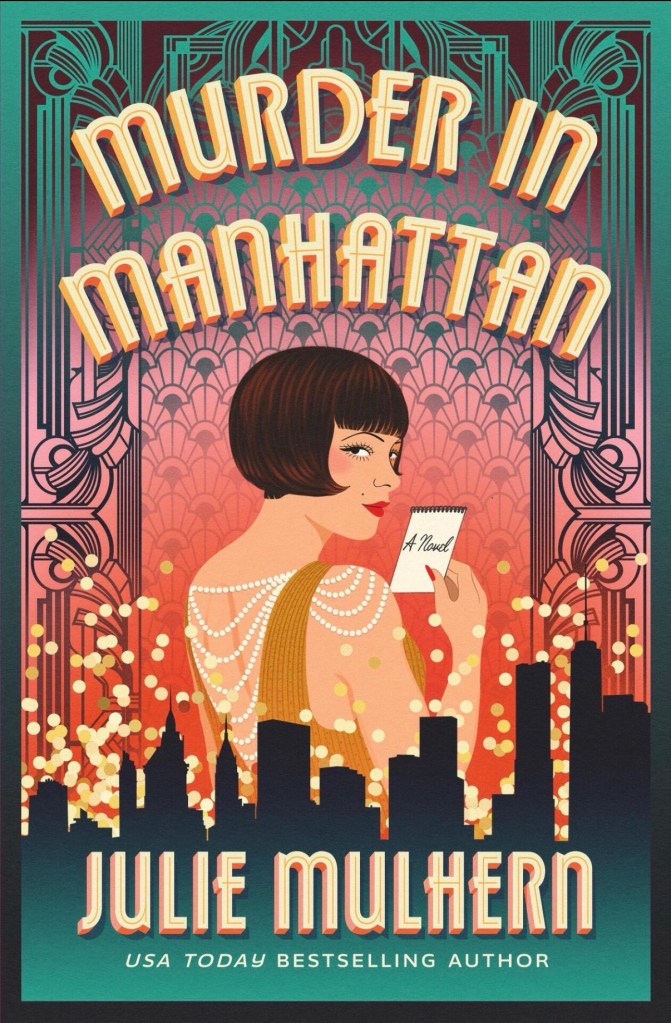
I’ve been reading Julie Mulhern’s 1970s-set Country Club Murders series whenever they drop into a price band that I can justify, but this week she’s got a new book out which is the first in a new 1920s set series. Murder in Manhattan features Freddie, a female journalist in Prohibition New York who finds herself caught up in a murder investigation when someone she wrote about in her magazine column is found dead. The blurb says it’s inspired by the first female reporter at The New Yorker and also drops a load of famous names from the period so this could be a lot of fun. I’m looking forward to reading it.
After writing about The Hazelbourne Ladies Motorcycle and Flying Club yesterday, I got to thinking about other novels set just after World War One and that show the changing world that I could recommend – or in fact have mentioned previously.
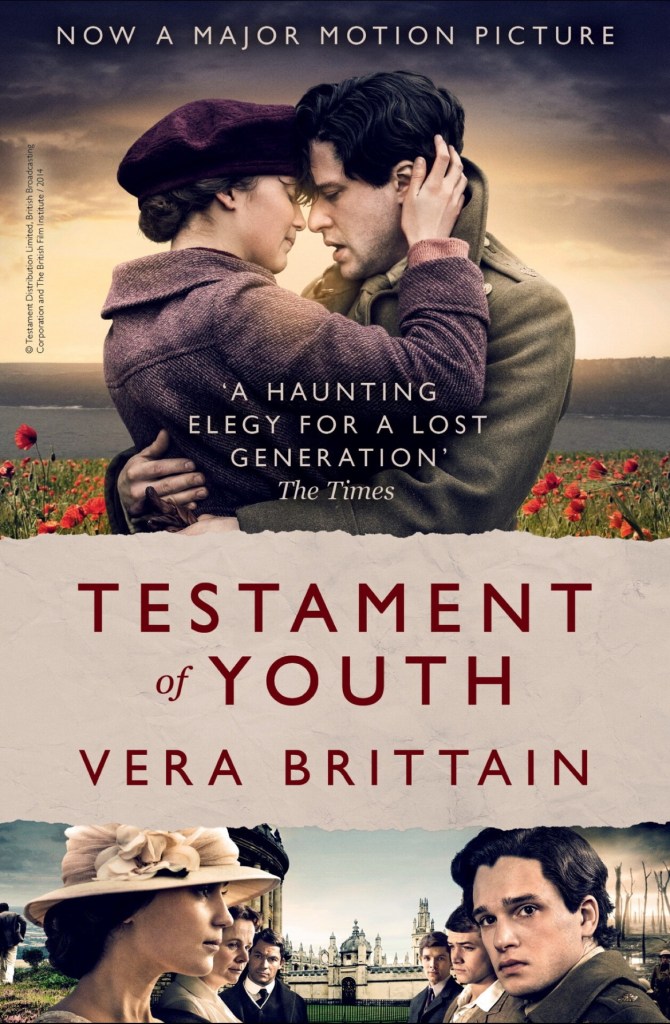
I’m going to start out with a book that I hated. I know. I know. I’ll explain. It’s Vera Brittain’s Testament of Youth. And I mention it because it’s a classic and it has all the context you need to understand what was going on during this period. It is Brittain’s memoir of the first 25 years of the twentieth century, and shows the impact of the Great War on young women through her real life story. Why did I hate it? Well I read it as part of my reading for my A Level War Literature module, for which I also read Robert Graves’s Goodbye to All That, Siegfried Sassoon’s Memoirs of a Fox Hunting Man and its sequels, Susan Hill’s Strange Meeting and all three books in Susan Hill’s Regeneration trilogy. Now I may just have been war novel-ed out – and those other books all have characters in common (sometimes in need of decoding) so maybe that explains why I hated it, possibly if I went back now I might feel differently, but there are too many books that I’ve never read and that I don’t know that I hate (yet) for me to go back and revisit something I hated. The same applies logic applies to T E Lawrence’s Seven Pillars of Wisdom, which I hated when I read it at uni a year or two later, and which I have never revisited – although I have tried watching the film again a couple of times because it is genuinely beautiful looking with great music. But no.
Ok, that over let’s move on. Obviously it’s not long since I wrote about the Maisie Dobbs series, but Maisie is another whose life trajectory is changed by the Great War – and many of the cases that she tackles can trace their roots to that conflict too. Another female detective, the delectable Phryne Fisher is also a veteran of ambulance driving during the war, an experience which informs her whole attitude to life as well as some of her cases, one of which involves a shell shocked soldier and another her time in Paris after the Armistice. And of course the first Peter Wimsey book came out in 1923 and the lingering impact of his war experiences are very present in the early books.
Away from the detectives, the Bright Young Things are one of the recurring themes of books set after the war. If you haven’t read it, Evelyn Waugh’s Vile Bodies is a good place to start, and then you can moved on to other stuff, fortified by the knowledge that Waugh was there for the real thing. I’m going to be controversial, but I’ve read this more than I’ve read The Great Gatsby – which is the big classic of the era (and which you should also read if you haven’t already). Beatriz Williams also has several novels set in the 1920s – my favourite of them is probably Cocoa Beach. And her frequent collaborator Lauren Willig has The Other Daughter.
And I think that’s probably your lot for now, except to say that I have got some more stuff set in this period waiting on the shelf as well – like Kate Atkinson’s Shrines of Gaiety on the fiction front, but also lots of non-fiction about the era, so no doubt more anon!

 Verity Reads Books (lots of them)